A 150-Year Journey
Part 8: Addressing Diversifying Needs and Creating Value
1994–2002
Innovation in “SAPPORO DRAFT BEER KURO LABEL” and the Rise of “Yebisu”
From the mid-1990s onward, as customers’ lifestyles and preferences became increasingly diverse, we promoted initiatives to further enhance the value of our flagship product, “SAPPORO DRAFT BEER KURO LABEL,” and our premium beer, “Yebisu Beer.”
In 1997, we announced the “SAPPORO DRAFT BEER KURO LABEL Declaration,” centered on the theme of allowing consumers to enjoy the taste of “draft beer from a beer hall” at home. We advanced quality improvements, including the introduction of the “Antioxidant Brewing System” (now known as the “Fresh Keep Brewing Method”) into the manufacturing process. Then, in 2000, we began airing a series of TV commercials featuring actors Tsutomu Yamazaki and Etsushi Toyokawa,a series of TV commercials, including the “Hot Spring Table Tennis” and “Barbecue” episodes. Their excessively serious demeanor and the message “Love Beer?” sparked widespread discussion, and the campaign received high acclaim for its advertising creativity—including winning the Grand Prix (Minister of Posts and Telecommunications Award) at the “ACC CM Festival,” one of Japan’s most prestigious advertising awards.
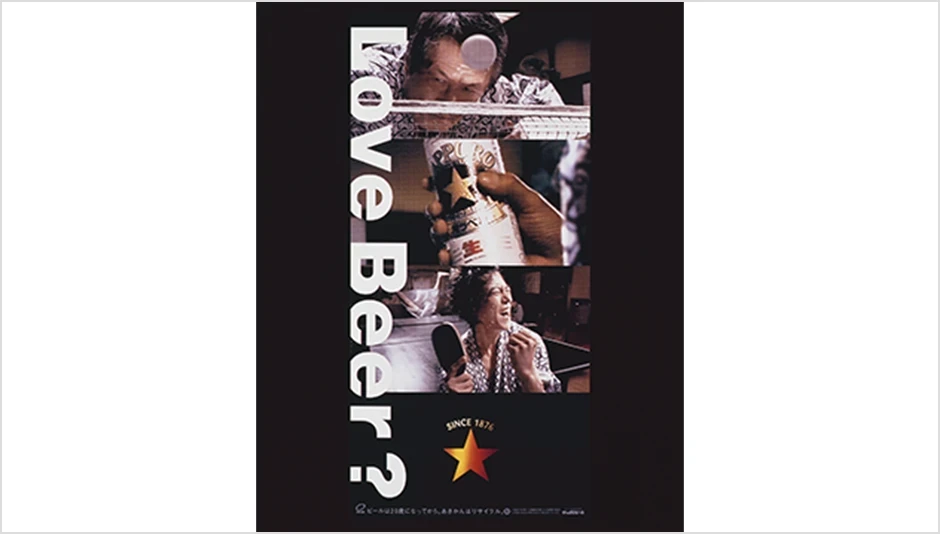
“SAPPORO DRAFT BEER KURO LABEL” poster (2000)
Meanwhile, “Yebisu Beer,” which celebrated its 100th anniversary in 1990, had long been perceived as “a beer for connoisseurs” due to its commitment to quality.However, this perception had also become a barrier to sales growth. Therefore, in 1994, to expand into more everyday drinking occasions, the brand repositioned itself as “a slightly indulgent beer.” The communication campaign centered on the “Yebisu Beer Is Here” posters was launched to bring this repositioning to life.The posters featured in TV commercials were also displayed in the sales areas of restaurants and liquor stores, creating a campaign that integrated advertising with the point of sale. As a result, sales increased approximately 2.5-fold within the first three years of the campaign.
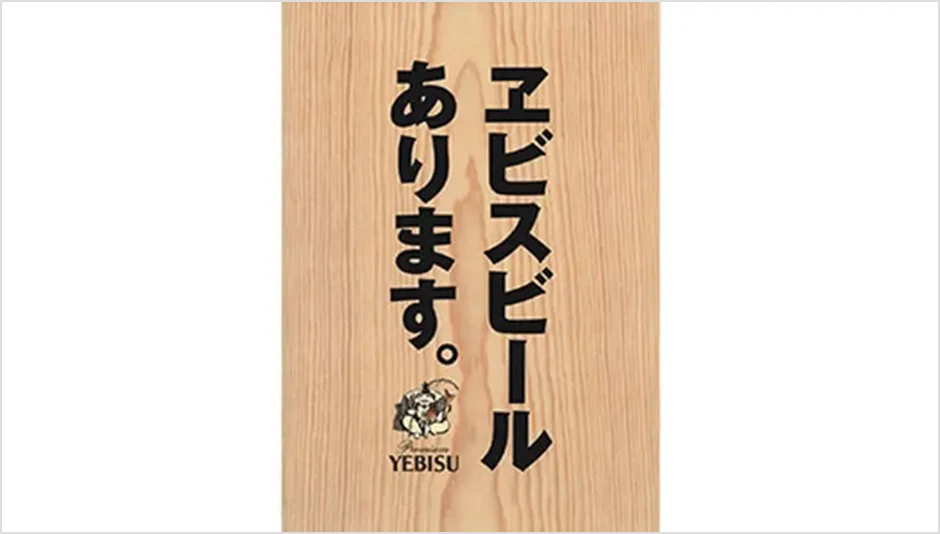
“Yebisu Beer” poster (1994)
Pioneering the happoshu (low-malt beer) market and “Hokkaido Nama-shibori”
As the “happoshu (low-malt beer)” market—which leverages different ingredient formulations and tax classifications from beer—expanded, our company was quick to launch “Sapporo Nama Drafty,” a happoshu (low-malt beer) with a malt content of less than 25%, in 1995. Its more affordable pricing compared to beer spurred market growth as other companies entered the sector.In 1998, we launched “Sapporo Hojun Nama Bräu,” made with 100% pesticide-free hops and designed to deliver authentic flavor and a crisp aftertaste. “Bräu” significantly exceeded sales targets in its first year on the market and became a powerful driver of our happoshu (low-malt beer) business.
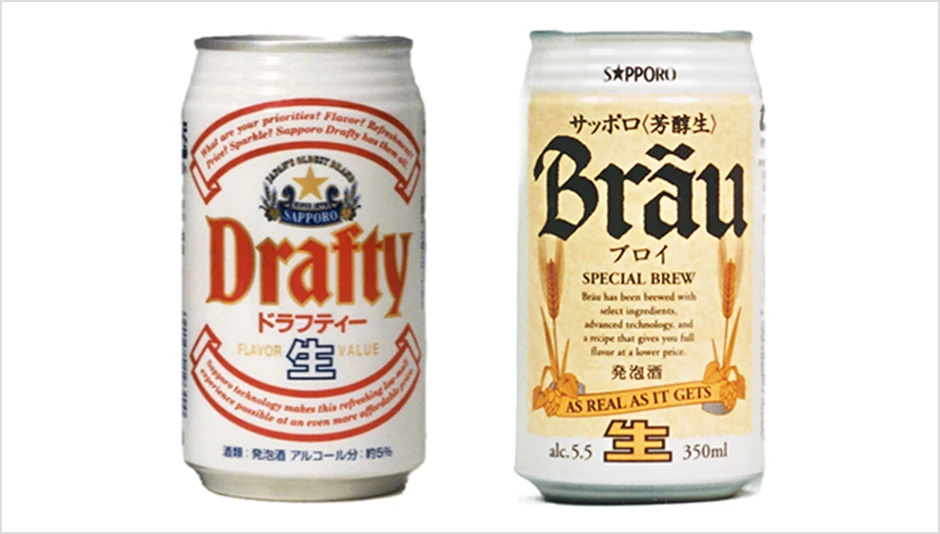
“Drafty” and “Bräu” (350ml cans)
Furthermore, in 2001, we launched “Sapporo Hokkaido Nama-shibori,” characterized by a “freshness” not found in conventional happoshu (low-malt beer).To mark the launch, we used the tagline “We’re going fresh!” and rolled out innovative promotional campaigns, including live broadcasts from a white dome set up at Yebisu Garden Place and active use of the Internet, which was still in its infancy at the time. The product achieved annual sales exceeding 20 million cases (equivalent to large bottles).
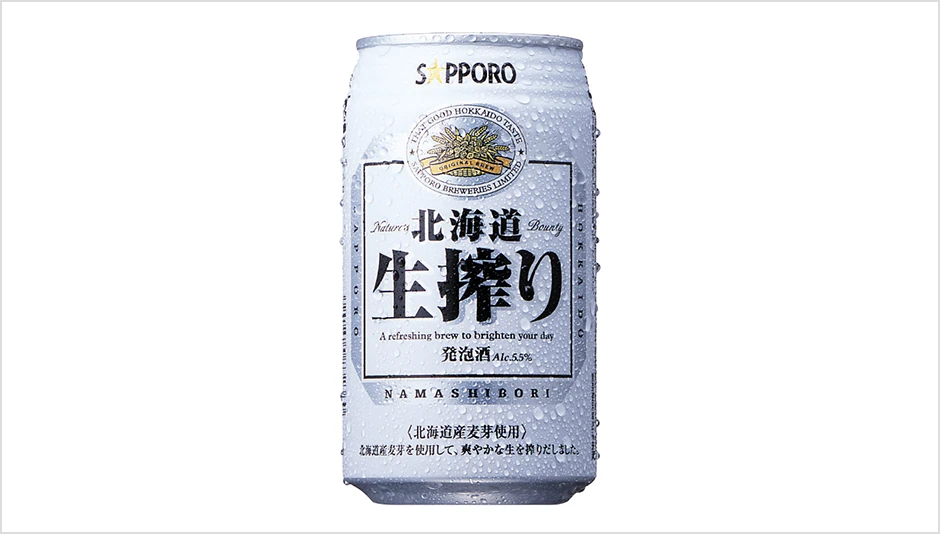
“Hokkaido Nama-shibori” (350ml can)
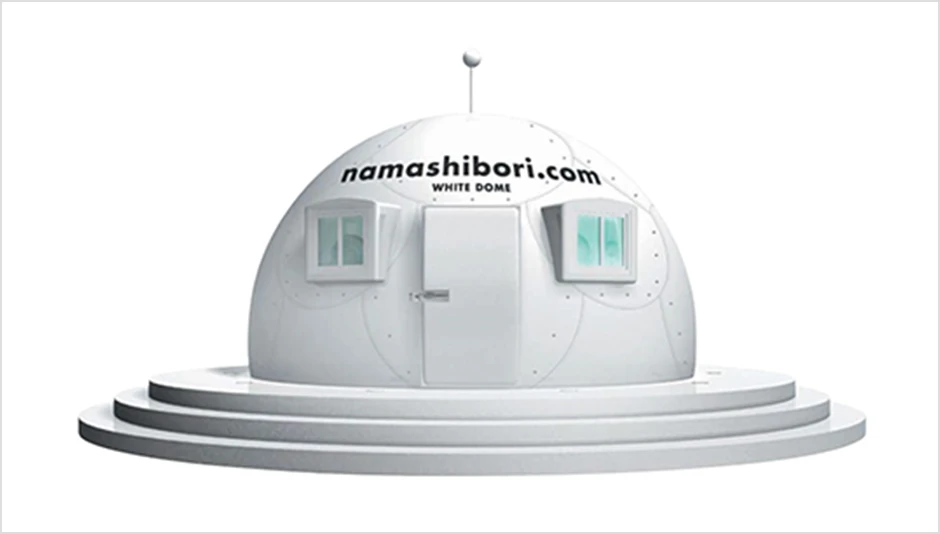
The white dome (CG) that served as the key visual
Proactive Sales in the Foodservice Market
In the foodservice market, the quality of draft beer—primarily served at restaurants—is a critical factor. We have been committed to improving quality to ensure our customers are served delicious draft beer.
In 1999, we established the Draft Beer Quality Promotion Department, and in 2002, we began rolling out our proprietary beer dispenser, the “Sapporo Separate System.” A key feature of this system is that the entire line through which beer flows from the keg to the tap can be completely removed and replaced.Even with daily cleaning, deposits gradually build up in the beer line over repeated use, which can affect the taste. By taking the removed beer lines back to our facilities for thorough cleaning and resetting them to optimal condition with each replacement, we have established a system that reduces the maintenance burden on restaurants while ensuring consistent taste.
We also engage in proactive sales initiatives that address the business challenges faced by restaurants. In 2002, we launched the “Food Business Support (FBS)” group to provide support to the foodservice industry. Additionally, under the slogan “When in need of advice, turn to Sapporo Breweries,” we are expanding our efforts to help restaurants succeed, including support for new business openings and store assessments.From 1999 to 2020, we published the quarterly magazine *rise* for our partner restaurants, providing information on trends in the foodservice industry and restaurant operations.
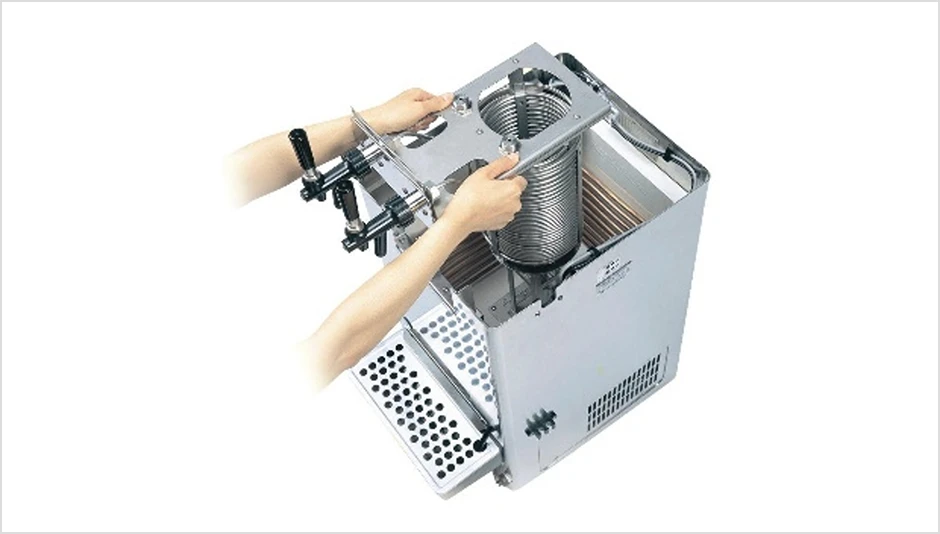
Sapporo Separ System
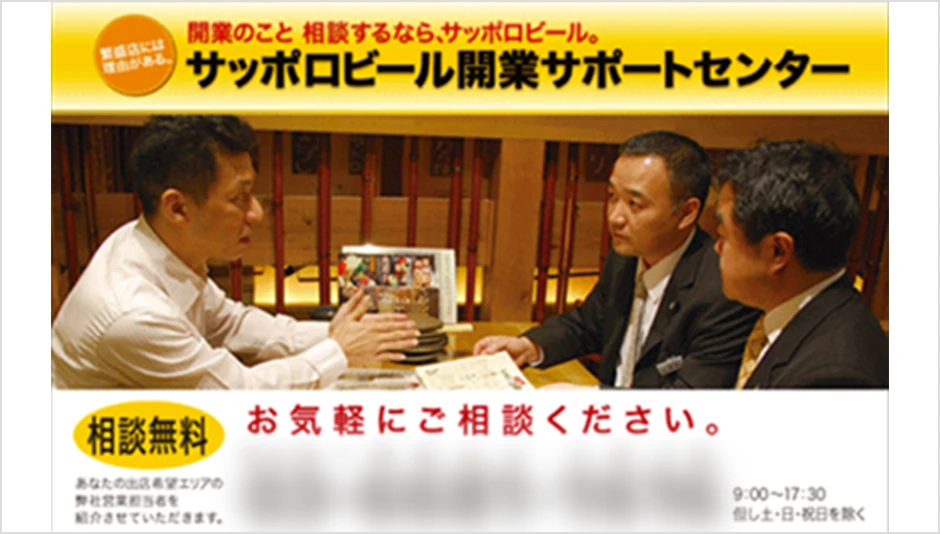
“Business Startup Support Center” Website (at the time)
The Pursuit of Quality and Contributing to a Sustainable Society
With the pursuit of quality as the cornerstone of our corporate activities, we have been conducting research on the breeding of barley for beer in collaboration with universities in Japan and abroad—including Okayama University and the University of Saskatchewan in Canada—since the 1990s.As a result of this research, in 2001 we discovered a barley variety that lacks the lipid oxidase (LOX-1) responsible for the stale odor in beer, and in 2003 we conducted test brews using this barley, continuing our research aimed at stabilizing flavor and aroma.
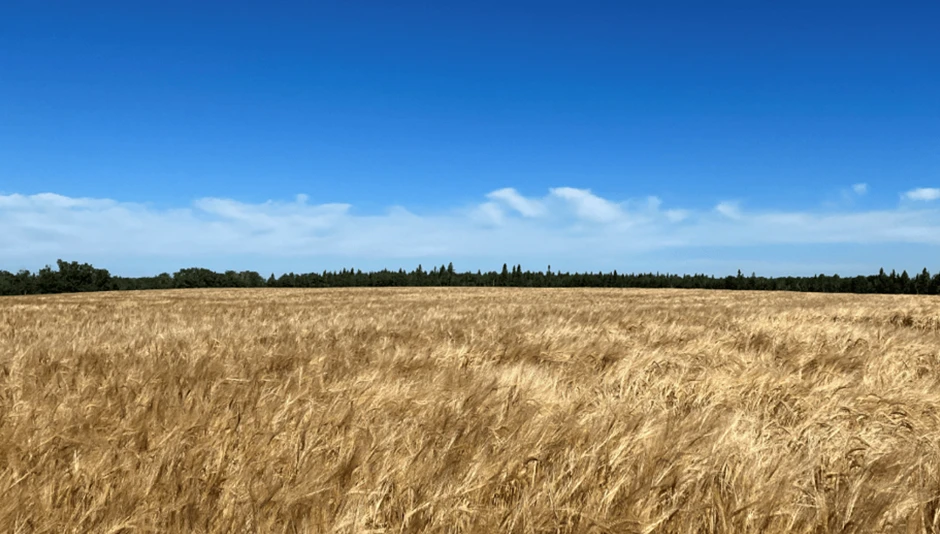
Barley field (Canada)
At the same time, to ensure that the delicious taste of our beer reaches consumers intact, we have worked to improve quality in distribution and service, introducing temperature-controlled transportation and developing a proprietary serving system to stabilize the quality of draft beer.Furthermore, on the environmental front, we have strived to balance quality and environmental responsibility by recycling by-products and waste generated during the manufacturing process and by establishing environmental management systems at our production bases.
These initiatives clearly demonstrate our commitment to balancing the pursuit of great taste with environmental conservation, and they serve as the foundation for sustainable management.
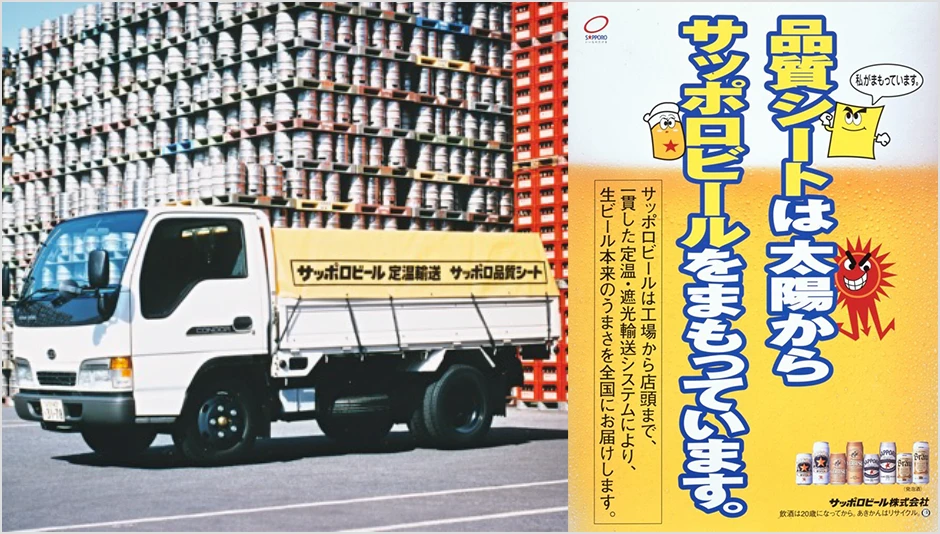
HINSHITSU SHEET(Beer Quality Protection Cover)
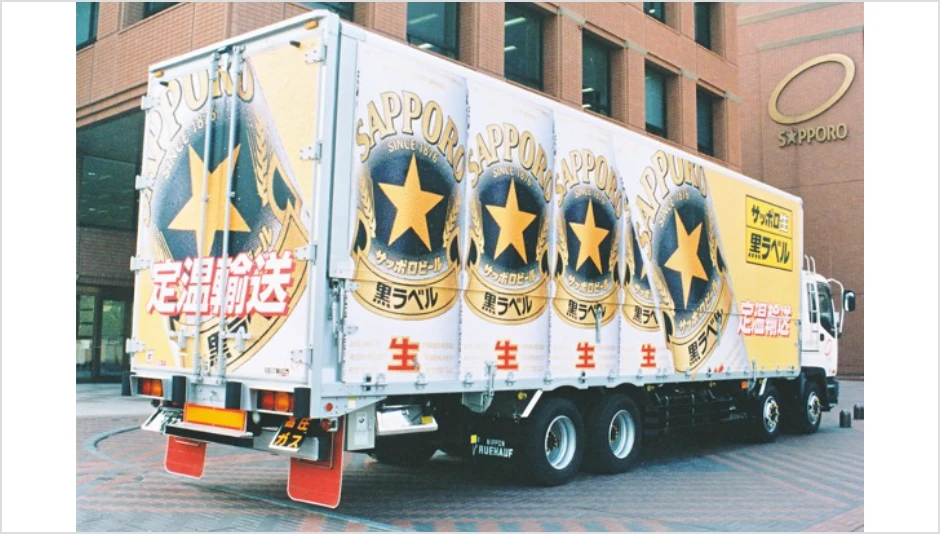
Temperature-controlled Transport Truck
Part 9: Transition of the Organizational Structure and Development of the “new genre” Market
2003–2007
The Launch of the New Sapporo Breweries
In 2003, the Sapporo Group transitioned to a pure holding company structure and established Sapporo Holdings, Ltd. As a result, Sapporo Breweries Ltd. made a fresh start as an operating company specializing in the Alcoholic Beverages business.
Under the new structure, the company set forth a policy to expand its business scope as a comprehensive alcoholic beverage manufacturer, with the beer business at its core while broadening its efforts into areas such as wine, ready-to-drink (RTD) beverages, and shochu.
As a symbol of these changes, the company logo was redesigned as “SAPPORO SHINING STAR,” expressing both its origins and its aspirations for the future. During
this period, the premium beer “Yebisu Beer” continued to perform well, with shipment volume exceeding 10 million cases in 2003.
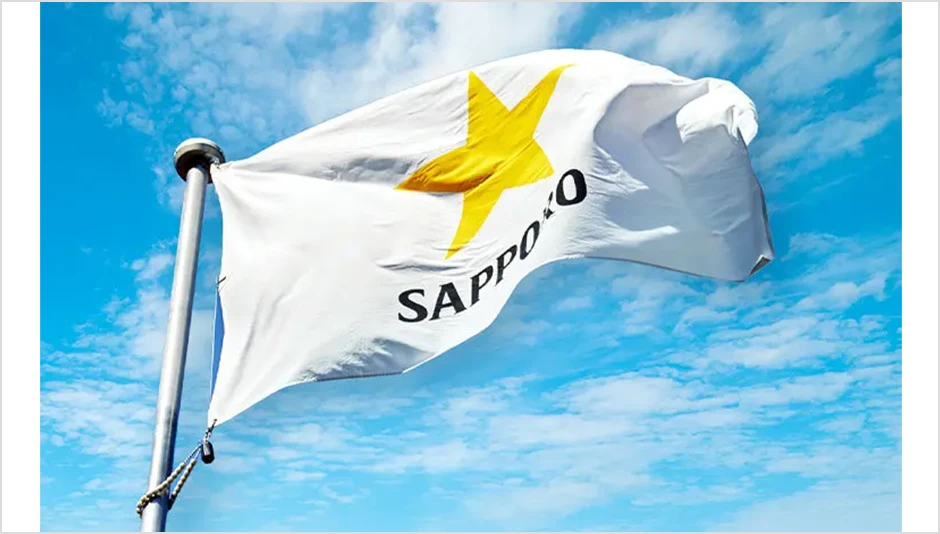
Company flag featuring the new corporate logo
“Draft One,” which created the “new genre” market
Having conducted extensive research into new alcoholic beverages to address diversifying consumer preferences and the demand for “light-style” beverages—which avoid the distinctive bitterness of beer—the company launched “Sapporo Draft One” nationwide in 2004.A test sale conducted in the Kyushu region prior to the launch garnered more support than anticipated, and based on these results, we decided to roll out the product nationwide.The product continued to generate a strong response after its launch, paving the way for the “new genre” market (commonly known as “third-category beer”), which is distinct from beer and happoshu (low-malt beer). Subsequently, the “new genre” expanded throughout the entire industry and became firmly established as a distinct category within the alcoholic beverage sector.
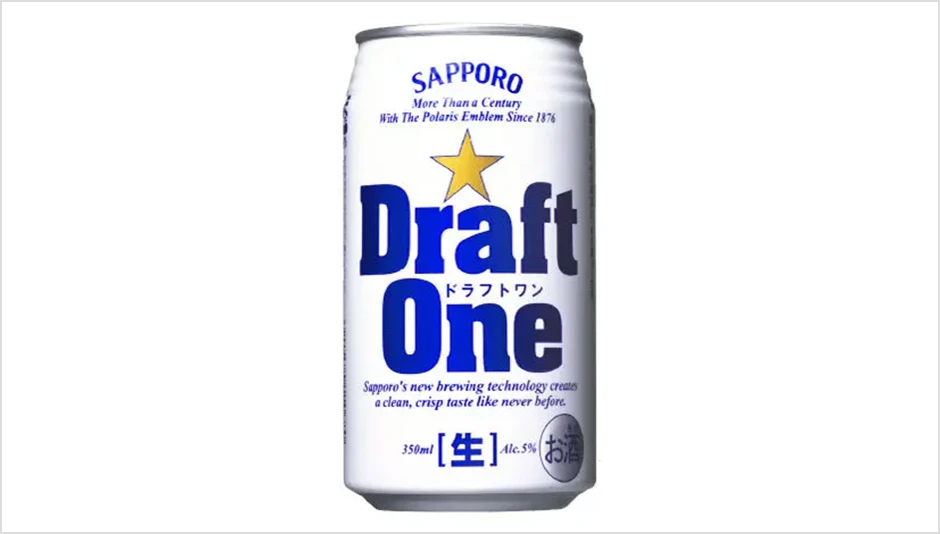
“Draft One” (350ml can)
“Quality Starts in the Fields”: Establishing a Collaborative Contract Farming System
Our commitment to the raw materials—the foundation of beer brewing—is essential to providing our customers with “great taste” and “Safety and Security.”In 2006, our researchers and technical specialists (now field managers) engaged in direct communication with barley and hop producers and suppliers around the world to establish a “Collaborative Contract Farming System” in which we work together to cultivate raw materials right from the field.
Under this system, by clearly defining production regions and methods and continuously engaging in the cultivation process, we minimize quality variations and ensure the beer’s great taste. In the same year, we established a system whereby 100% of the malt and hops used in all beer, happoshu (low-malt beer), and new genre products shipped by our company come from the Collaborative Contract Farming System.
This approach to raw material production is reflected in our corporate advertising and product packaging. Along with the message “Quality Starts in the Field,” it demonstrates our commitment to pursuing great taste, Safety and Security right from the source.
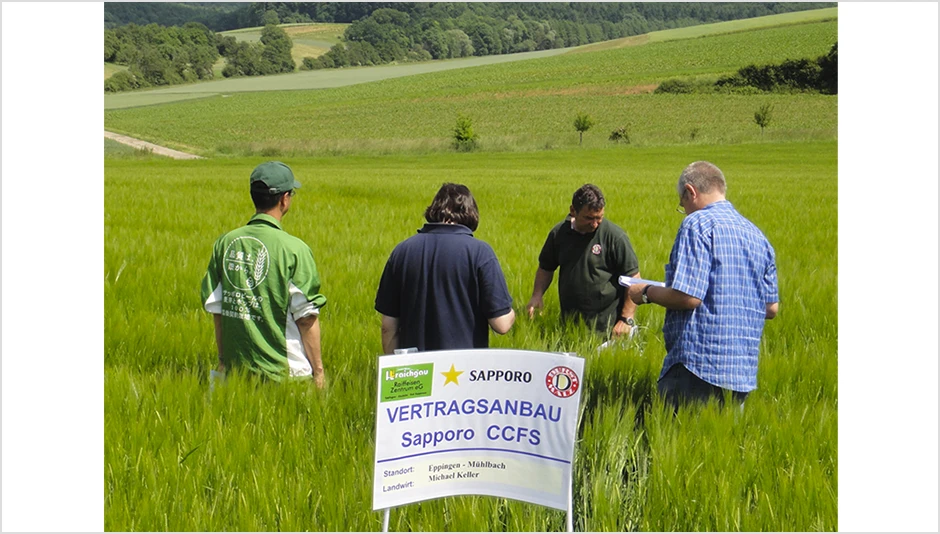
Barley Field (Germany)
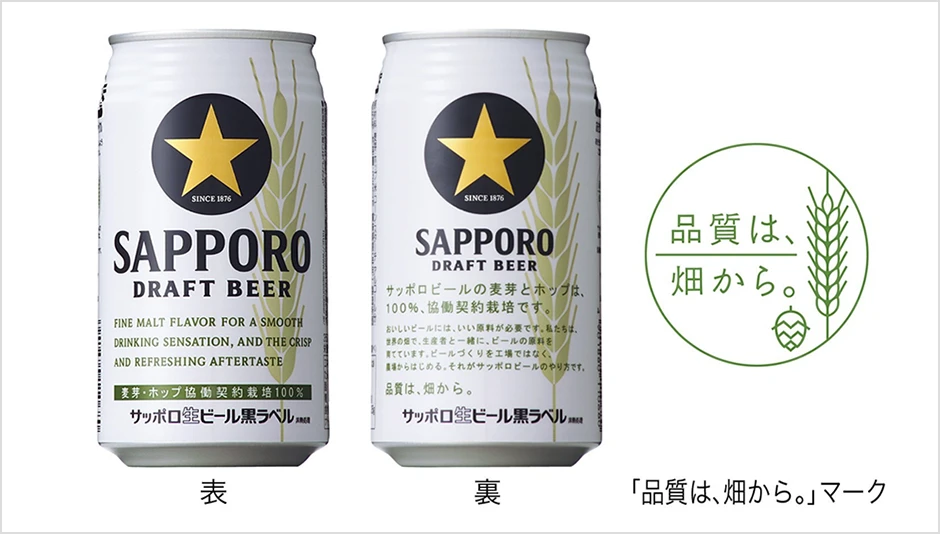
SAPPORO DRAFT BEER KURO LABEL 350ml can (2006)
Business Expansion as a Comprehensive Alcoholic Beverages Manufacturer
Leveraging the brewing technology and sales capabilities cultivated in our beer business, we expanded our business scope as a comprehensive beverage manufacturer in the Alcoholic Beverages business.In the wine business, we launched the top-tier premium wine “Grand Poire” in 2003 and promoted winemaking that strictly used 100% domestically grown grapes. In the imported wine sector, we acquired the exclusive distribution rights for the Australian wine brand “[yellow tail]” in Japan in 2004 and began a nationwide rollout.
Furthermore, in 2006, we made a full-scale entry into the shochu business as a new pillar of our operations.We acquired the Class A shochu business and other operations from Kikkoman Corporation, began operations at the Ojima Brewery in Gunma Prefecture, and established our subsidiary, Tanoshimaru Shuzo, in Kurume City, Fukuoka Prefecture. By integrating techniques inherited from Kyushu breweries, we expanded our operations into the authentic shochu business.
Through these initiatives, the company established a business foundation as a comprehensive beverage manufacturer operating multiple Alcoholic Beverages businesses, with beer at its core.
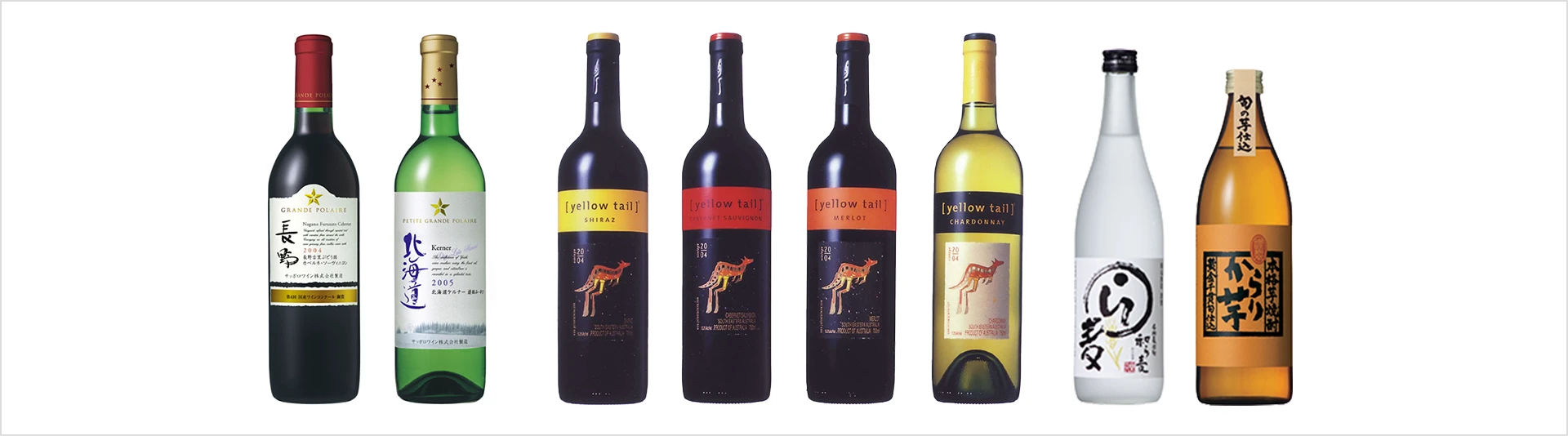
“Grand Poire,” [yellow tail], “Waramugi,” “Karari Imo”
Rapid Growth in the North American Market and Global Expansion
While strengthening our business foundation in the domestic market, we also expanded into overseas markets.
In the North American market, in 2006, we acquired and made Sleeman Breweries Ltd., Canada’s third-largest beer manufacturer, a subsidiary, thereby strengthening our business foundation in North America. This allowed us to secure production bases and a sales network in Canada, laying the groundwork for the Sapporo brand in the North American market.
In December of the same year, we established Sapporo International Co., Ltd. to oversee our Overseas Alcoholic Beverages business. We positioned overseas markets as one of the Sapporo Group’s key business areas and transitioned to an organizational structure capable of operating in a manner tailored to the characteristics of each country and region.
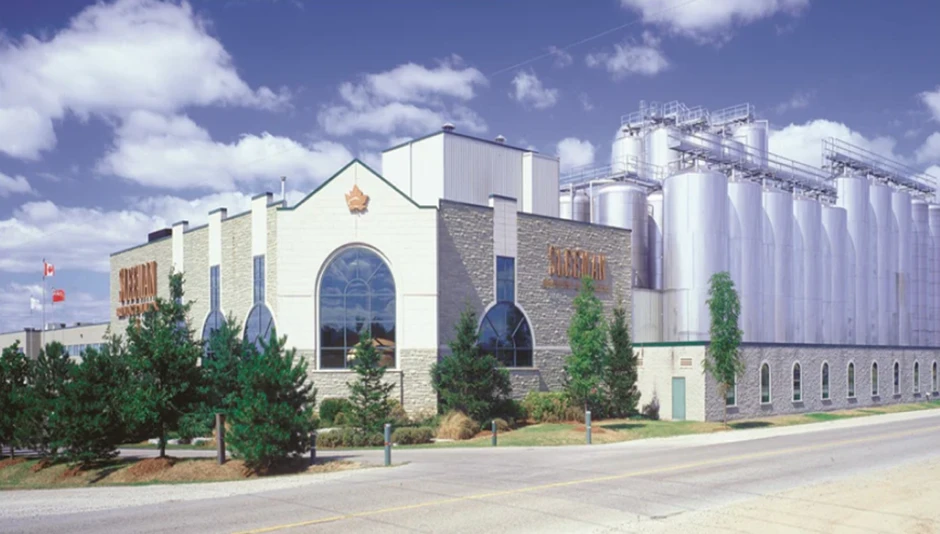
Sleeman-Gelf Brewery
Part 10: Deepening Diversified Management and Taking on Global Challenges
2008–2015
The Evolution of “SAPPORO DRAFT BEER KURO LABEL” and Communicating the Appeal of “Yebisu”
In 2010, our flagship brand, “SAPPORO DRAFT BEER KURO LABEL,” introduced a new marketing theme: “Adult ☆ Nama.”The following year, in 2011, we introduced “Long-Lasting Flavor Malt”—a malt we had been researching that lacks lipid-oxidizing enzymes—to improve quality and ensure that the delicious taste of the first sip of draft beer lasts longer.
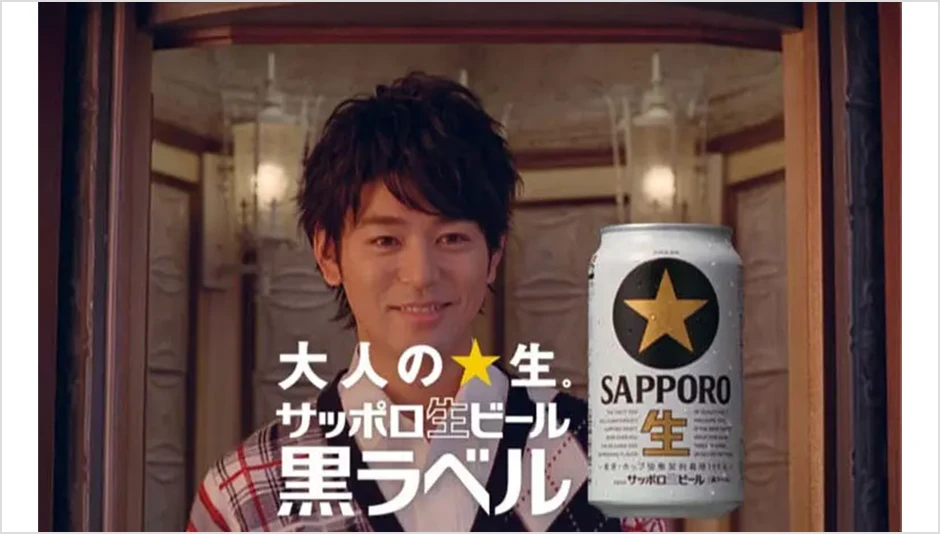
“SAPPORO DRAFT BEER KURO LABEL” TV Commercial (2010)
Meanwhile, for “Yebisu Beer,” we worked to create spaces where people could experience the brand’s appeal firsthand.In 2009, we opened the first “YEBISU BAR” in Ginza Corridor Street, Tokyo, and the following year, in 2010, we reopened the “Yebisu Beer Museum” (located within Yebisu Garden Place).
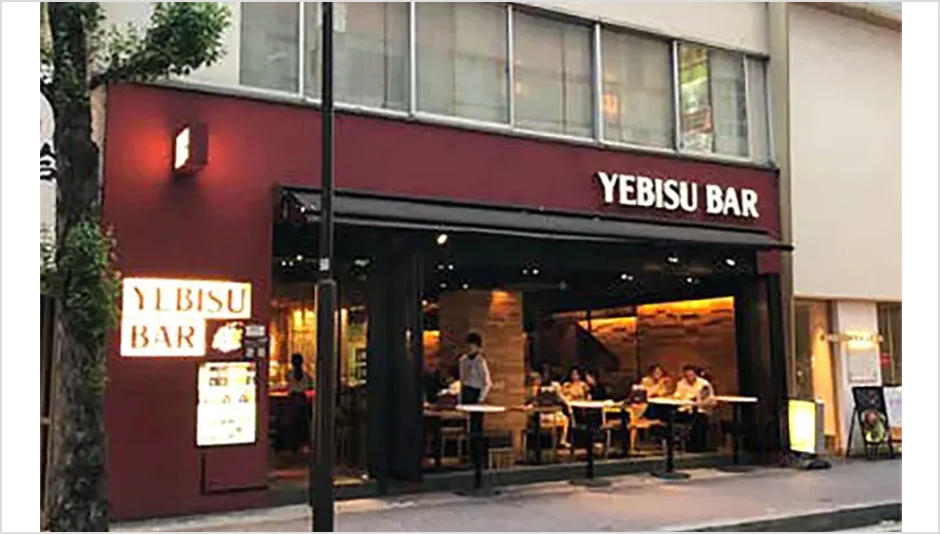
YEBISU BAR (Ginza Corridor Street Branch)
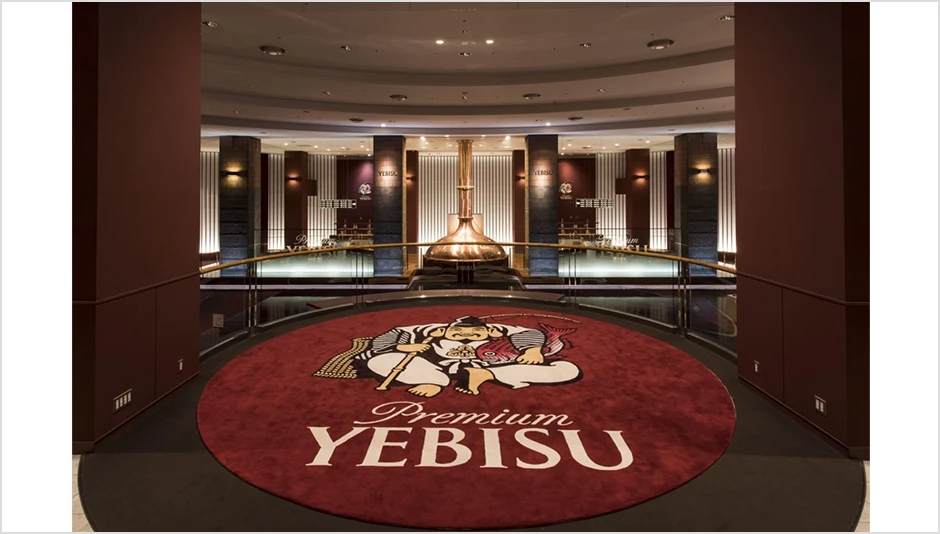
Yebisu Beer Museum
New Developments as a Comprehensive Alcoholic Beverage Manufacturer
To establish a revenue pillar on par with our beer business, we expanded our business scope as a comprehensive alcoholic beverage manufacturer.
In 2011, we signed an exclusive distribution agreement in Japan with BACARDI JAPAN LIMITED, which markets global spirits brands, thereby expanding our product lineup in the spirits sector.In the shochu business, production at Tanoshimaru Shuzo in Kyushu progressed smoothly, and in 2008, we launched “Kuro Waramugi,” a full-flavored barley shochu, as part of the “Waramugi” series.This marked Tanoshimaru Shuzo’s first entry into the consumer market with one of its products. Furthermore, in 2012, we launched “Kokuimo,” Shochu Blended from Korui and Otsurui Types, marking the start of our expansion into a new product category.
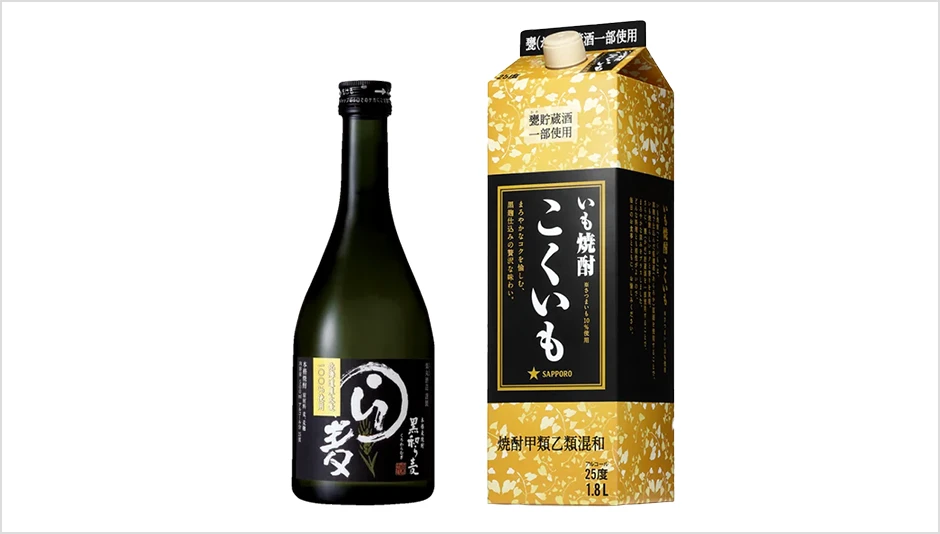
“Kuro Waramugi” and “Kokuimo”
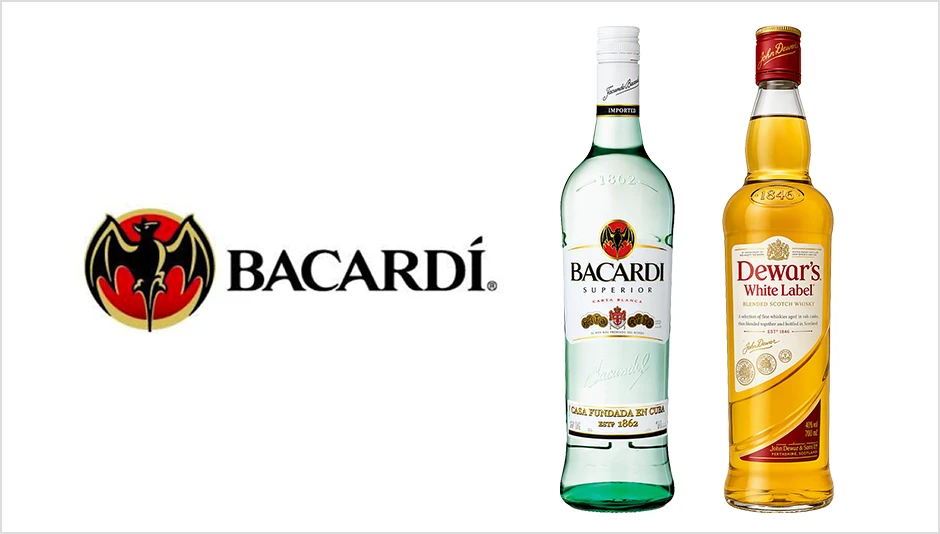
“BACARDI Superior,” “Dewar’s White Label”
In the wine business, operations center around the “Grande Polaire” brand. In 2015, the company opened “GRANDE POLAIRE WINEBAR TOKYO” in Ginza, aiming to expand brand awareness and enhance the value of the “Grande Polaire” brand by serving as a hub for promoting the appeal of premium Japanese wines.We continue to take on the challenge of producing wines that rival those from around the world, including the establishment of the “Sapporo Azumino Ikeda Vineyard” in Nagano Prefecture in 2009.
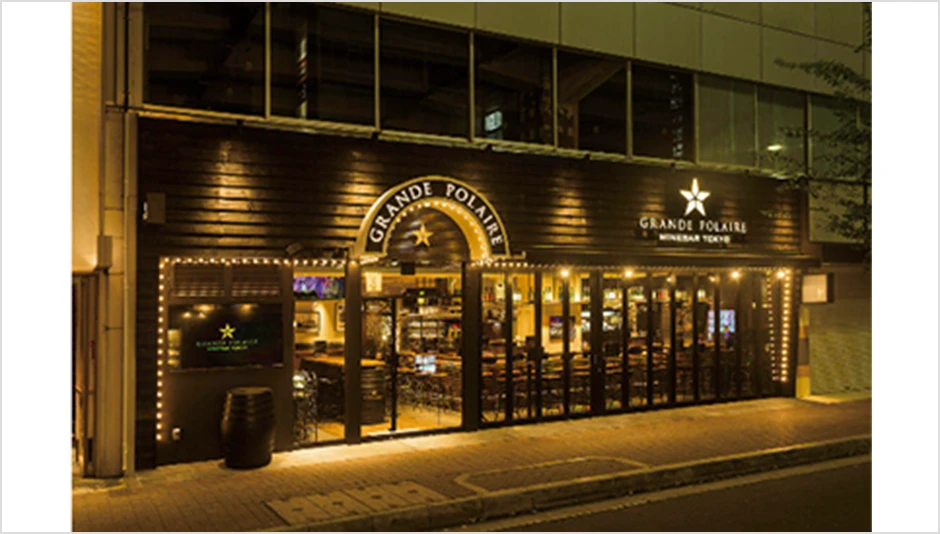
GRANDE POLAIRE WINEBAR TOKYO
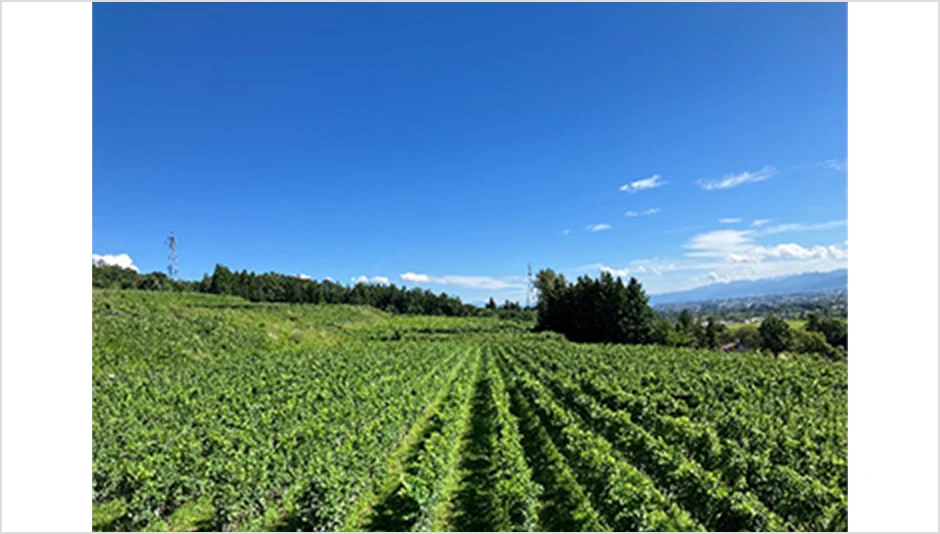
Vineyard (Azumino Ikeda, Nagano)
Integration of the Food & Beverages Business and Real Estate Development
In addition to its Alcoholic Beverages business, the Sapporo Group has also been expanding its Food & Beverages operations.In 2013, Sapporo Beverage Co., Ltd. and Pokka Corporation merged to form Pokka Sapporo Food & Beverage Co., Ltd. By integrating the production, procurement, and sales functions of both companies, the Group has established a solid business foundation in the Food & Beverages sectors.
In the real estate business, Yebisu Garden Place Co., Ltd. changed its name to Sapporo Real Estate Development Co., Ltd. in 2012, clearly establishing itself as the Sapporo Group’s real estate company.The Group has been advancing urban development projects centered on Ebisu, Ginza, and Sapporo—areas with deep ties to the Group—and in 2016, opened the mixed-use commercial complex “GINZA PLACE” in the heart of Ginza.
Pokka Sapporo Corporate Logo
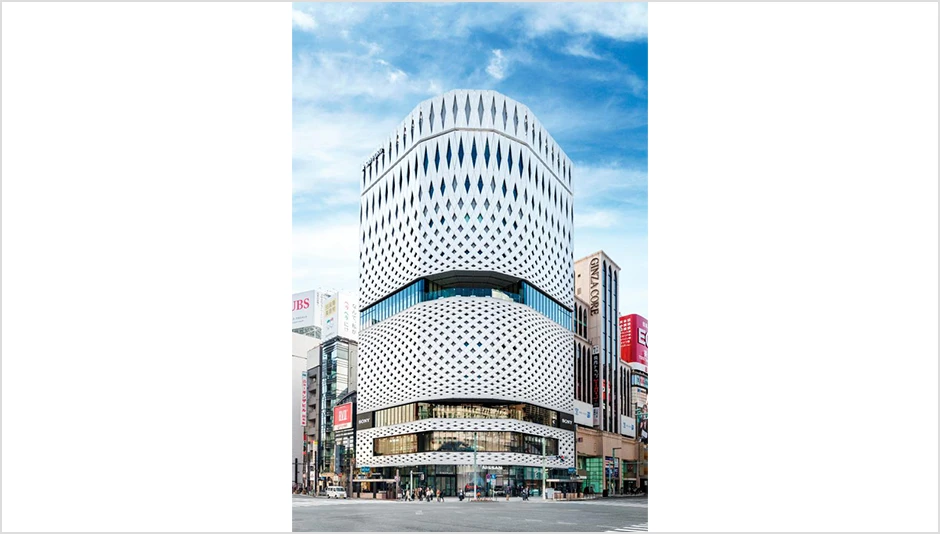
GINZA PLACE
Expansion into Asian Markets and Globalization
As part of the overseas expansion of the Sapporo brand, the company moved to enter the rapidly growing Asian market. In November 2011, we completed construction of a brewery in Long An Province, Vietnam. This marked the first time a Japanese beer manufacturer had built its own brewery in Southeast Asia.
Within Vietnam, we carried out sales promotion activities tailored to the local food and beverage culture and consumer habits, aiming to raise awareness of “SAPPORO PREMIUM BEER” and strengthen the brand. Furthermore, using the Brewery as a base, we began exporting to neighboring countries—including Singapore, Thailand, Malaysia, and Indonesia—starting in 2012.
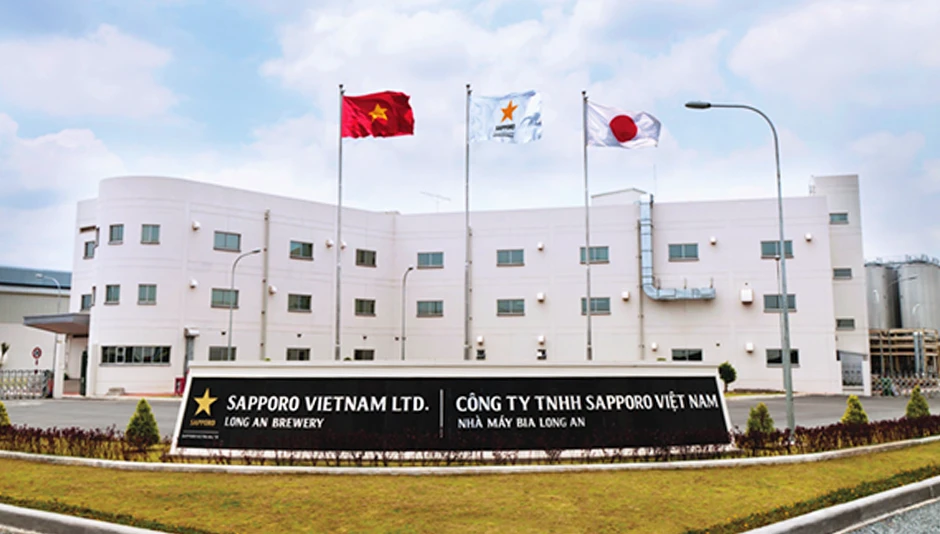
Sapporo Vietnam Long An Brewery
Part 11: Creating New Experiential Value and Making the Leap to the Global Market
2016–2026
Strengthening “SAPPORO DRAFT BEER KURO LABEL” and “Yebisu”: Beer Brands with Unique Personalities and Stories
In December 2016, the “FY2017 Tax Reform” outlined a policy to gradually implement a unified tax rate for beer-type beverages, happoshu (low-malt beer), and new genre alcoholic beverages.While tax rates were revised in three stages from 2020 to 2026—with tax increases for new genres of beverages and tax cuts for beer—we viewed this as a prime opportunity to expand the beer market and formulated a strategy to strengthen our beer business.
“SAPPORO DRAFT BEER KURO LABEL” continued its communication theme from 2010, “Otona ☆ Nama,” and its communication message from 2014, “The Perfect Draft Beer.” We strengthened the brand’s value through the “deliciousness of draft beer” and a unique brand identity.In the “Otona Elavator” commercial series, the main character, actor Satoshi Tsumabuki, engages in conversation with a diverse cast of performers, fostering a sense of empathy and aspiration.Additionally, events where people can experience the “delight of draft beer” were held in major cities nationwide, and “SAPPORO DRAFT BEER KURO LABEL THE BAR” opened in Tokyo in 2019 and in Osaka in 2026.
Under the “Yebisu Brand,” “YEBISU BREWERY TOKYO” opened in April 2024 to deepen the real-world experience in the Ebisu neighborhood, the brand’s birthplace.By integrating a museum, brewery, and taproom, it serves as a hub where visitors can experience Yebisu’s history and innovation through all five senses, appealing to a wide range of audiences. In addition, “SAPPORO LAGER BEER,” which continues to gain popularity under the nickname “Akaboshi,”“Sapporo Classic,” born and raised in Hokkaido, and “SORACHI 1984,” brewed with the legendary “Sorachi Ace” hops—all beer brands with unique personalities and stories—we are pioneering new markets and proposing fresh ways to enjoy beer.
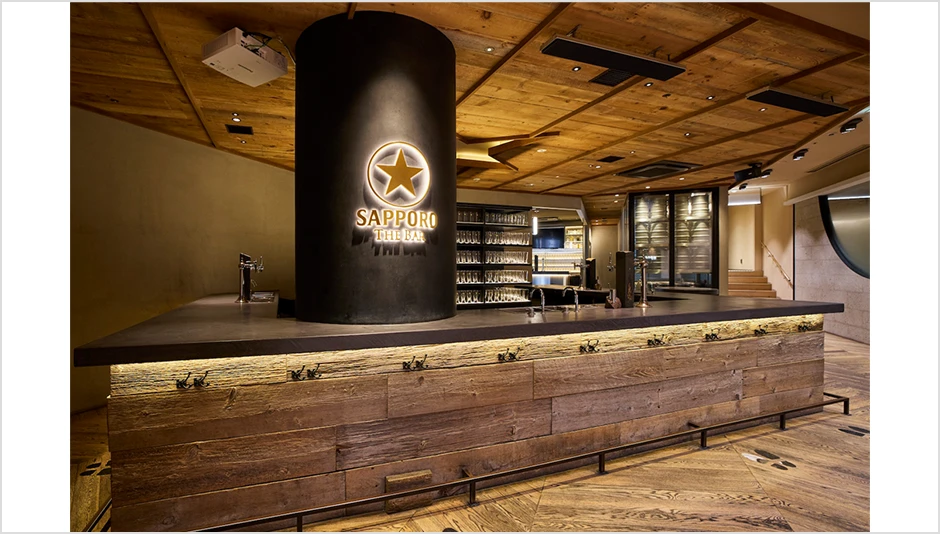
SAPPORO DRAFT BEER KURO LABEL THE BAR
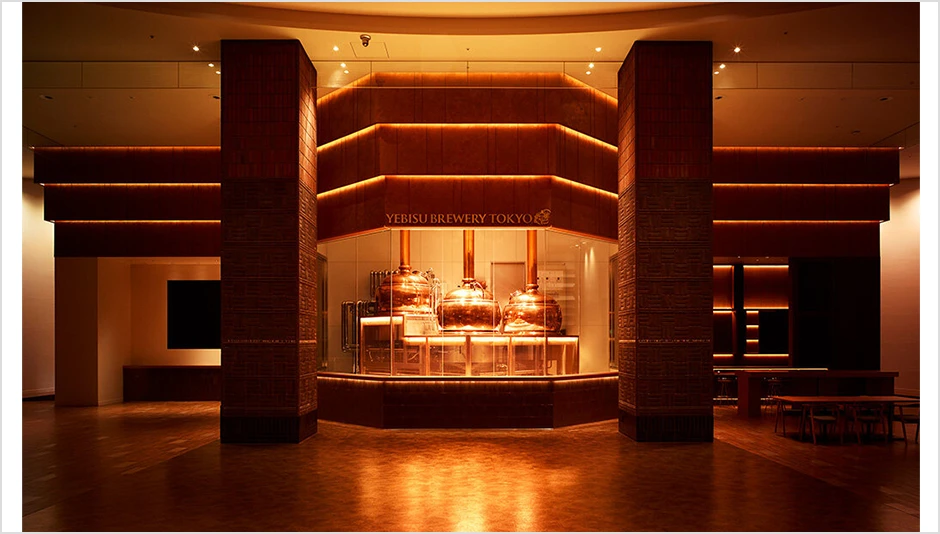
YEBISU BREWERY TOKYO
Product Proposals to Meet Diversifying Needs and the Challenge of Market Expansion
Amid a domestic RTD market that continues to expand while competition intensifies, we have been committed to developing a diverse range of products through a process of trial and error.As a result, “KOIME LEMON SOUR,” launched in 2021, and the long-selling “Otoko-ume Sour” have gained popularity thanks to their distinct characteristics and reliable taste, establishing themselves as core brands that are experiencing sustained growth.Driven by the growth of these flagship products, we converted our Sendai Brewery (Natori City)—which had long been dedicated to beer production—into a plant exclusively for ready-to-drink (RTD) beverages, and it began operations in October 2023. This has expanded our in-house production capacity, enabling us to ensure a stable supply and improve profitability, while also enhancing our ability to develop a diverse range of products.Furthermore, to meet growing health-conscious trends, we are expanding our offerings in the low-carb beer, non-alcoholic, and low-alcohol beverage segments.
In the spirits sector, the blended Scotch whiskey “Dewar’s” continues to perform well, driving the creation of new value and market expansion centered on the “highball”—a drinking style popular among Japanese consumers.
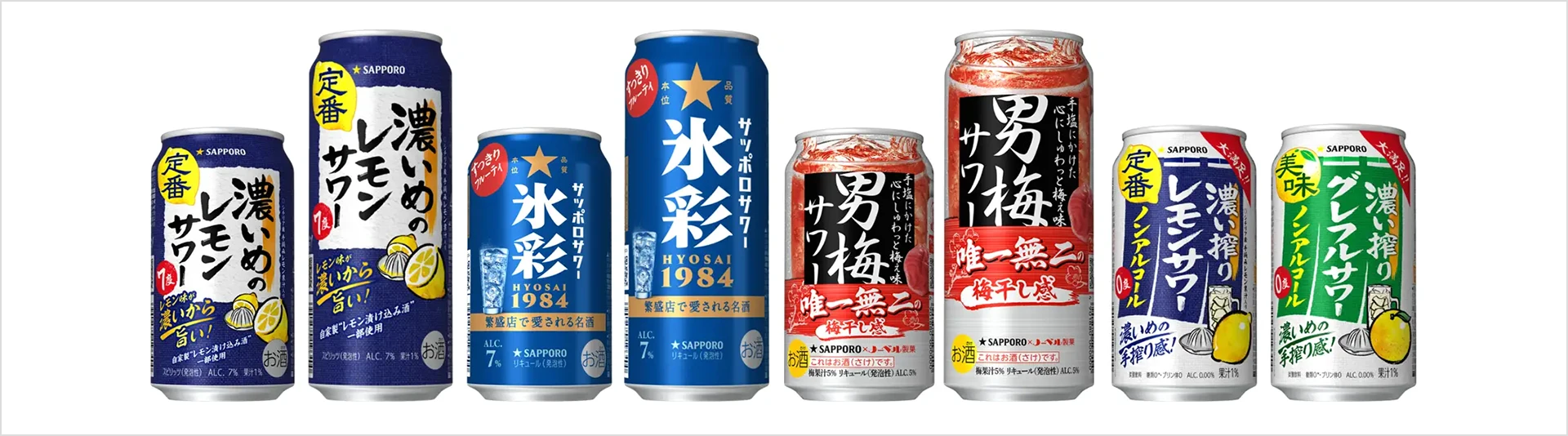
“KOIME LEMON SOUR,” “Hyosai Sour 1984,” “Otoko-ume Sour,” and “Koishibori (non-alcoholic sour)”
The Business Strategy for Our International Business Built on “SAPPORO PREMIUM BEER”
Our international expansion began in earnest with exports to the United States in 1964, and “SAPPORO PREMIUM BEER” (hereinafter “SPB”), which was launched in 2002, is now sold in approximately 50 countries and regions.
In the U.S., we decided in 2026 to concentrate our management resources on the beer business centered on “SPB” to further accelerate growth. In Canada, we are expanding into the ready-to-drink (RTD) and non-alcoholic beer segments by leveraging the brand portfolio of Sleeman Breweries Ltd., the country’s third-largest beer manufacturer.
In the APAC (Asia-Pacific) and European regions, the company is expanding its business through exports centered on its own Brewery in Vietnam and through collaboration with local partners. While enhancing profitability through a dual-pronged approach of strengthening exports and implementing structural reforms, the company is also steadily advancing its collaboration with Carlsberg in Southeast Asia.Building on this progress, we have decided to enter into a strategic capital and business alliance with Carlsberg in Southeast Asia and Hong Kong in 2026. While solidifying the foundation for our strategic expansion, we will continue to further expand the sales territories for “SPB.”
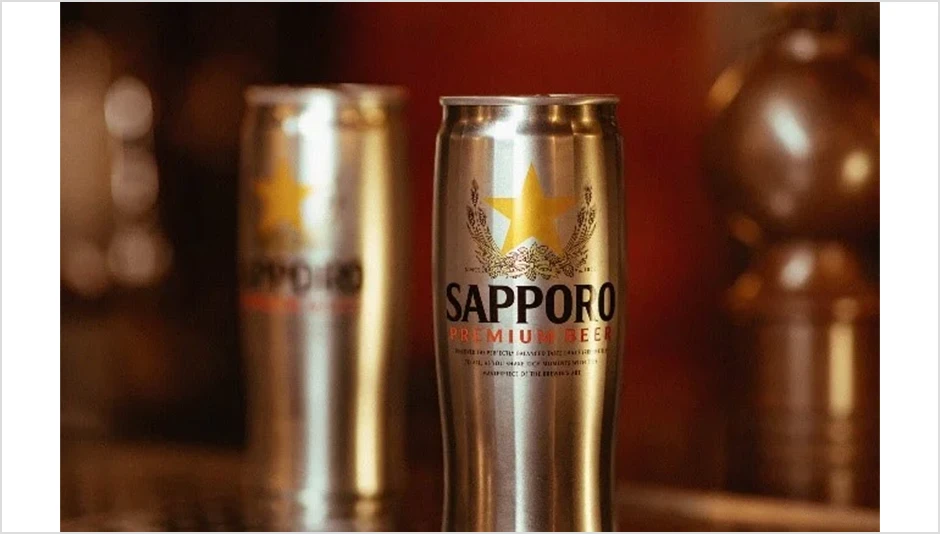
SAPPORO PREMIUM BEER
Sustainability Management and Transformation for the Future
During the COVID-19 pandemic, despite significant constraints on our business activities, we established a company-wide crisis response system and advanced reforms in work styles and structural reforms.
At the same time, to achieve both “the realization of a sustainable society” and “sustainable corporate growth,” we have worked to integrate sustainability with our Management Strategy. In 2019, we announced the “Sapporo Group Environmental Vision 2050,” which sets out goals such as the realization of a decarbonized society and the creation of a Recycling Society.Furthermore, we are promoting sustainable manufacturing by, for example, launching “field management” in 2025—a program that, in parallel with the development of new barley varieties to address climate change, enables us to stably source high-quality raw materials through collaboration with producers worldwide while also addressing environmental challenges.The Group also regards “Promote Responsible Drinking”—a topic of growing social importance—as one of its top priorities, and is carrying out activities to foster a proper understanding of the characteristics of alcohol and encourage responsible drinking in a manner fully integrated with its Business Strategy.
In 2026, marking the significant milestone of its 150th anniversary, the Sapporo Group transitioned into a business holding company with its Alcoholic Beverages business at its core.By concentrating management resources on the Alcoholic Beverages business and implementing a strategy centered on “Bonds with Community” (providing exciting experiences and new ways to enjoy our products) and “Healthier Choice” (offering healthier options), we will create enriching beer experiences on a global scale.