Creating New Value and Contributing to the Community Through Lemons
POKKA SAPPORO operates its lemon business based on a three-pronged approach: “Products,” “Value Promotion,” and “Raw Materials (Production Promotion).” Building on the expertise cultivated since the launch of “Pokka Lemon” in 1957, we have expanded our scope beyond just juice to create value by utilizing the “whole lemon.”While generating economic
value through product development and brand enhancement, we are also engaged in community-rooted activities such as promoting local production areas, creating regional employment, and utilizing abandoned farmland through the use of domestically grown lemons.
Forms of Regional Collaboration with Domestic Lemon Producing Areas
The environment surrounding domestic lemons is characterized by a supply that cannot fully meet expanding demand, and faces challenges such as an aging producer population, a shortage of successors, and an increase in abandoned farmland. Against
this backdrop, aiming to achieve both “regional revitalization” and the “sustainable development of domestic lemons,” we signed a partnership agreement with Hiroshima Prefecture in 2013.Since then, we have expanded our initiatives to include research collaboration, awareness-raising activities, and cooperation with local producers.
In 2019, we established our own lemon orchard in Osakikamijima Town, Hiroshima Prefecture. By actively engaging in production on-site, we confront local agricultural challenges and advance business activities that are closely aligned with the community.Our lemon
orchard in Osakikamijima is a symbol of regional co-creation. Employees with no prior farming experience have learned from local farmers and JA representatives, gradually mastering soil preparation, wildlife control, pest and disease management, and preparations for extreme weather. Despite facing challenges from natural conditions such as cold snaps and heavy rain, they continued to experiment and refine their methods, ultimately achieving their first harvest in December 2021.The yield, which was less than
1 ton at the time of the first harvest, is projected to exceed 6 tons by 2025, demonstrating the orchard’s steady growth. Because it takes approximately 10 years to achieve a stable yield with lemons, we are continuing our efforts—centered on our own orchard (approximately 50 a, or about 180 trees)—to establish a stable supply base for domestically produced lemons and foster self-reliance in the production region.
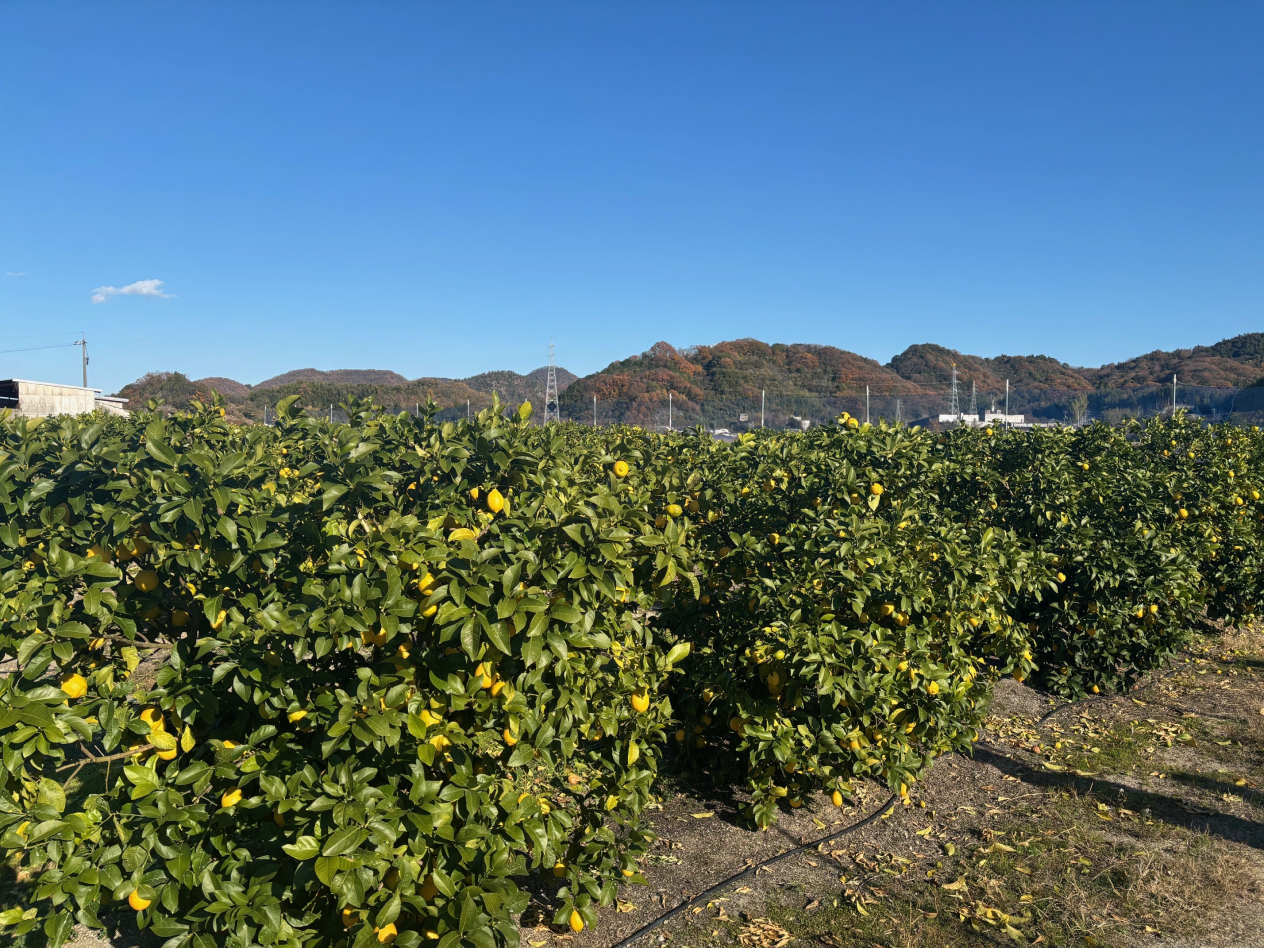
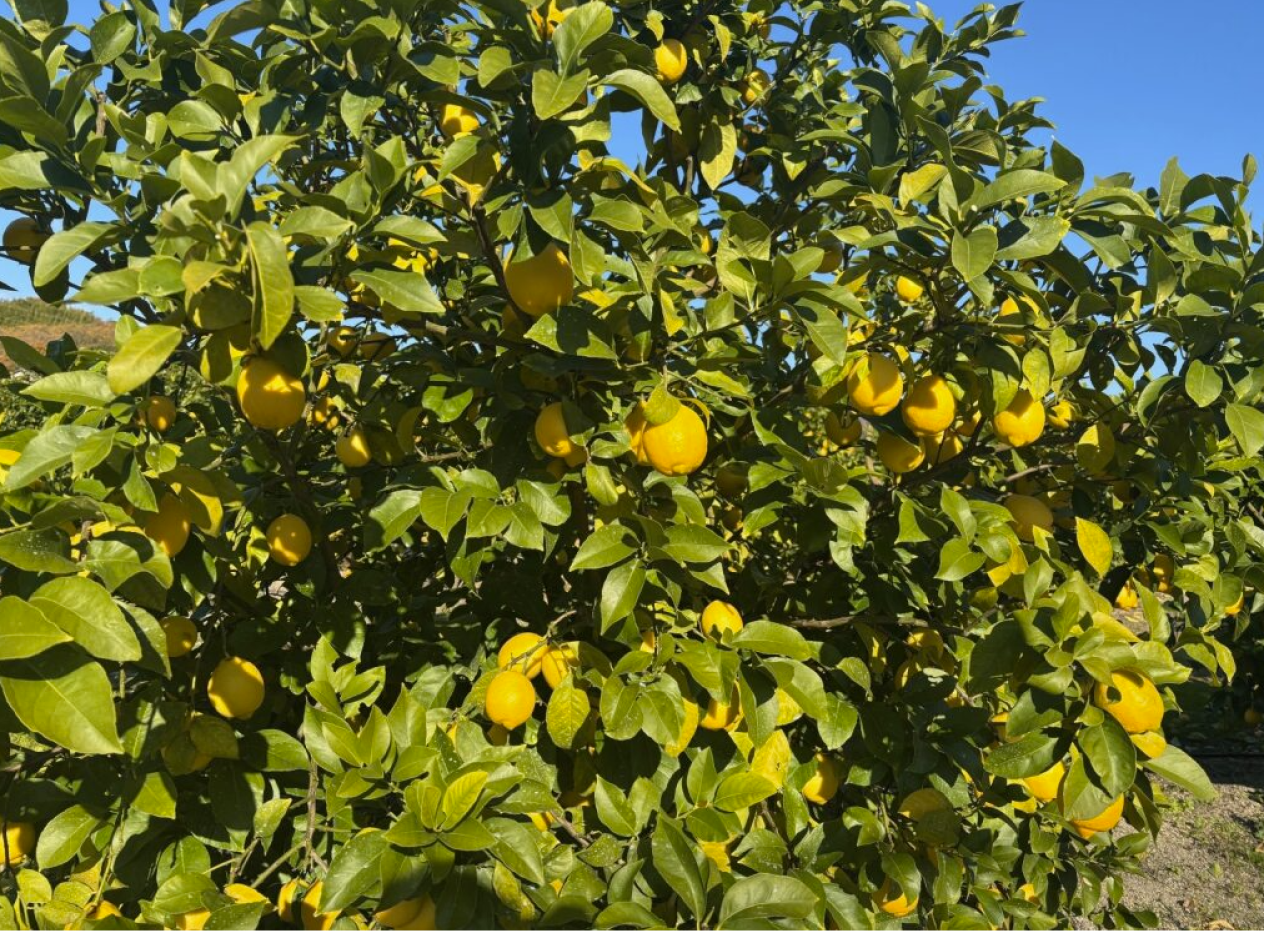
Our collaboration with the local community extends beyond the orchard. Using a satellite office located in a vacant house on the island as our base, we have gradually built closer ties with local residents through daily interactions. The accumulation of time spent together has grown beyond the sharing of cultivation know-how into a bond that unites us in revitalizing the region.
Promoting Health Through Lemons
To scientifically deepen our understanding of the value of “food and health,” we are also advancing joint research with local governments and academic institutions. From 2018 to 2023, with the cooperation of 541 residents of Osakikamijima Town, we conducted a five-year long-term intervention study to verify the effects of lemon consumption on health.
The results confirmed that regular consumption of lemon juice helps suppress increases in blood pressure, suggesting it may contribute to maintaining good health.
Through such research, we are clarifying the significance of incorporating lemons into daily life while also contributing to the health and well-being of local residents through lemons.
The Value of Lemons for the Future
Passing on the value of lemons to the next generation is also an important mission for us. In December 2025, our president personally conducted a “Lemon Nutrition Education” outreach class at Osaki Municipal Osaki Elementary School.
Targeting 29 fifth-grade students, we provided an opportunity to learn about the appeal and health functional value of lemons through quizzes and experiments, and carried out a series of initiatives that included a harvesting experience in the orchard and a school lunch featuring the harvested lemons. Listening to voices
from the field and utilizing the children’s candid reactions to create new value—this is also a manifestation of our gratitude to the production region and our determination to nurture the future generation together with the community.
Working up a sweat in the fields, refining value through research, and passing it on to the next generation
in the classroom. Each of these steps shapes our co-creation with the community. Just as lemon trees add rings to their trunks, and just as the circles of people, research, and learning expand from Hiroshima to the rest of Japan, we will continue to walk alongside the community, nurturing that time into tangible results.
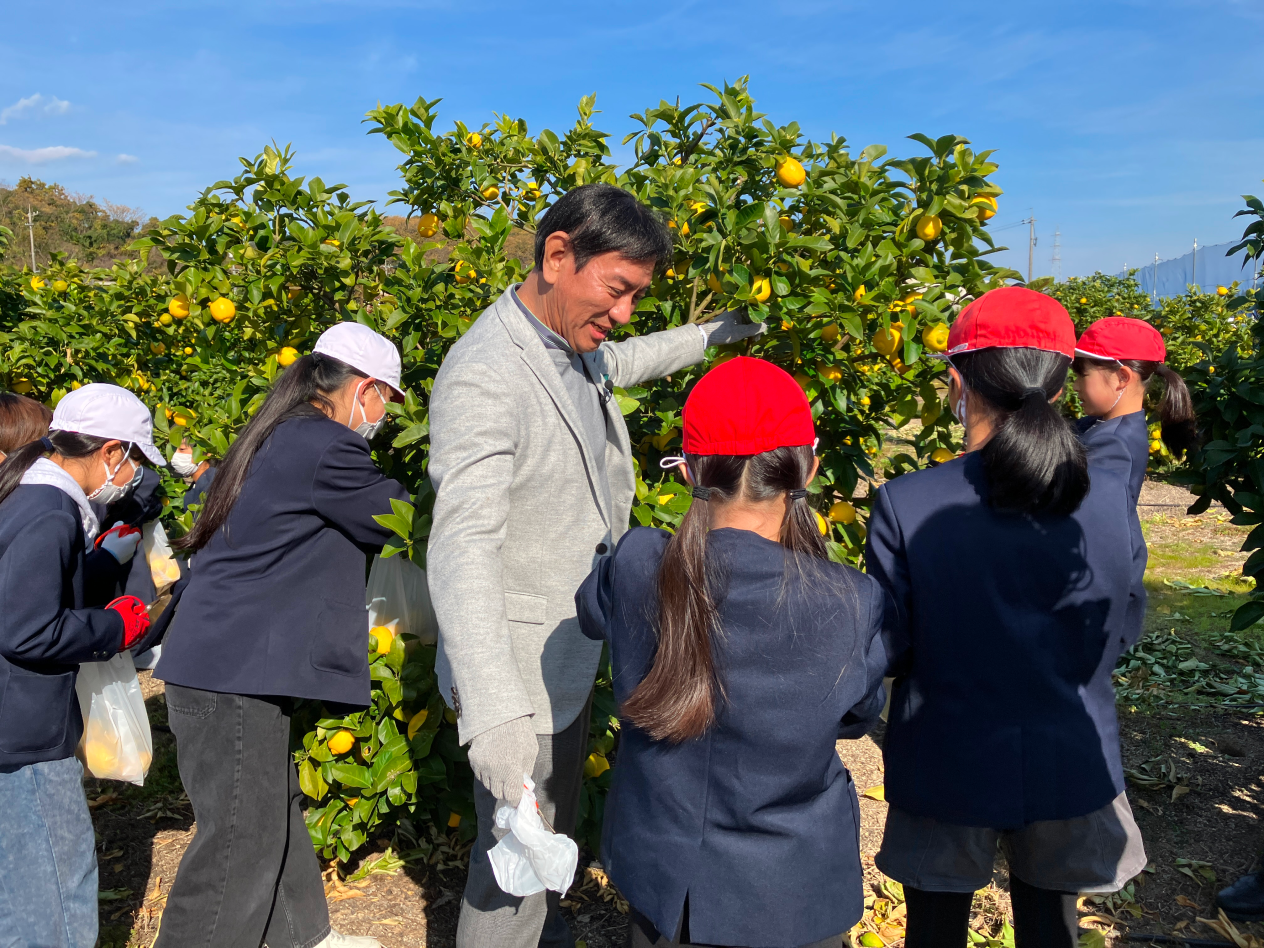
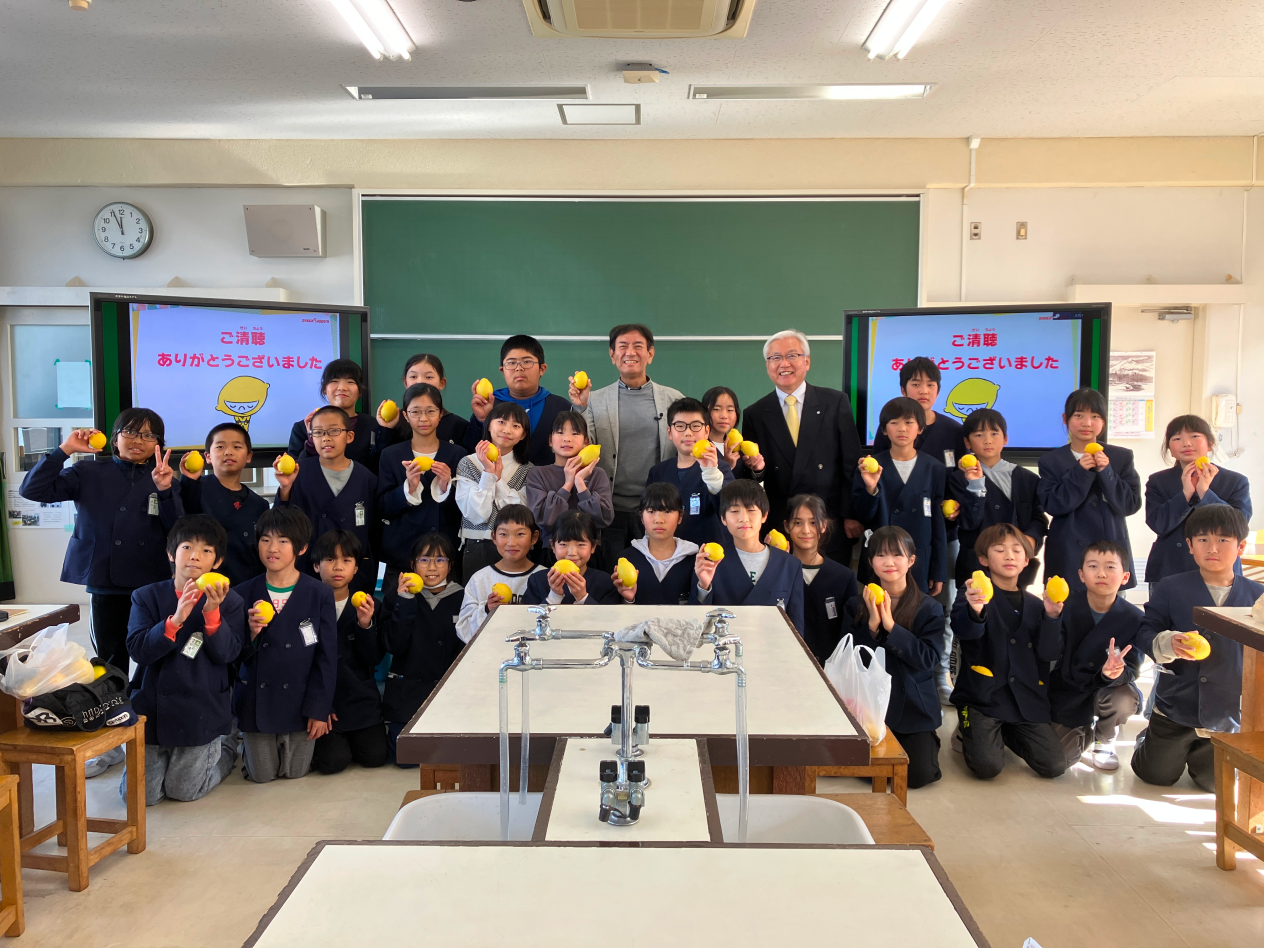
December 2025: A scene from the “Lemon Food Education” outreach class conducted by Pokka Sapporo President Sato in Osakikamijima Town, Hiroshima Prefecture