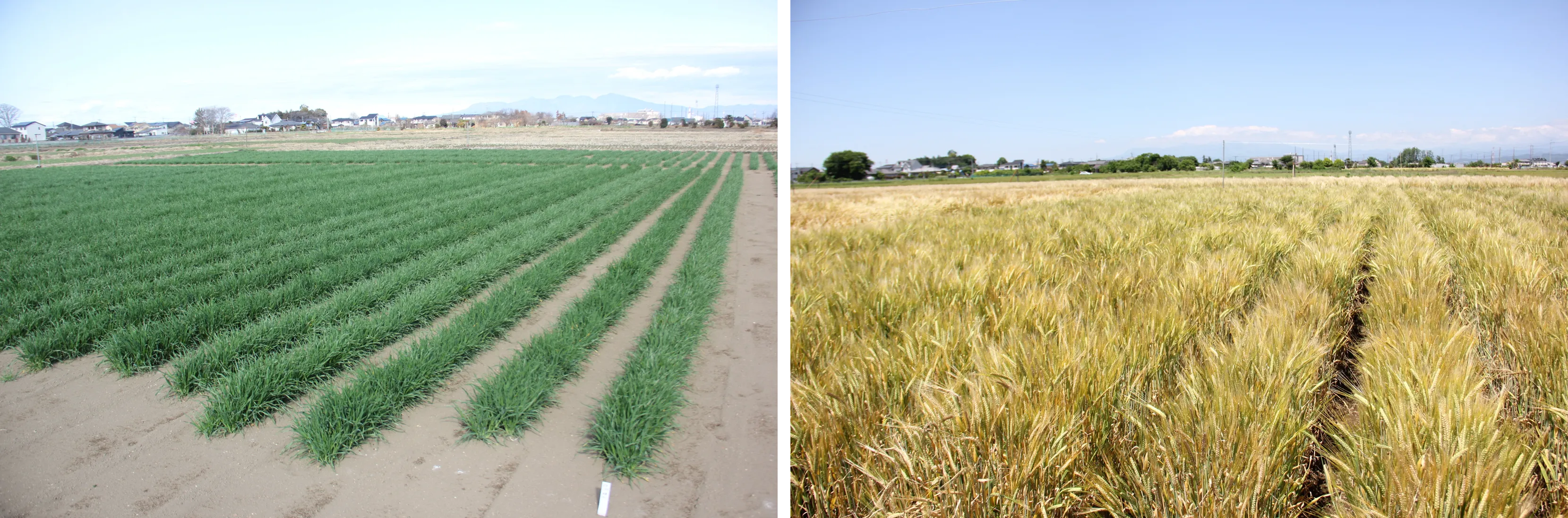
Barley Breeding and Development
The history of barley research began in 1872, when, based on the belief that Hokkaido’s climate and soil were suitable for barley cultivation, high-quality varieties were imported from Europe and the United States, and trial cultivation began in Azabu, Tokyo, and Sapporo. By 1880, the company had succeeded in sourcing all the barley used in its breweries from within Hokkaido, establishing the foundation for domestic beer barley production.From the very beginning, our commitment to “growing our own raw materials—the source of flavor” and our dedication to quality ingredients remain the foundation that underpins our quality today.
The History of Barley Breeding and Representative Achievements
While the use of domestically produced barley was increasing, instability in production volume and quality remained a challenge. In 1890, we began contract farming in Hokkaido and worked collaboratively with producers to establish a stable supply system. We also focused on improving producers’ skills and fostering their motivation, such as by holding a barley evaluation fair in 1896.
Breeding research made significant strides with the establishment of breeding trial sites in the Taisho era and the founding of a research institute dedicated to variety development in 1940. Moving beyond previous efforts limited to trialing Western varieties, the development of proprietary varieties through hybridization began in earnest, and research combining traditional breeding methods with biotechnology gained international recognition. Although breeding takes more than 10 years, research has been passed down across generations, and challenges aimed at future beer production continue.A representative variety
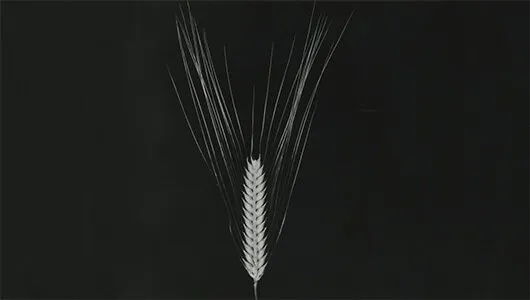
born from these many years of research is “Haruna Nijo,” introduced in 1981. Despite being an early-maturing variety, it achieves high quality, has a high extract content, and excels in malt quality balance and fermentability. Because its characteristics surpass those of superior Western varieties, it has been called the “miracle barley.” Widely used as a parent line essential for breeding high-quality varieties, it has supported the improvement of Japanese beer barley quality.
Technology Supporting Quality and the Development of Diverse Barley Varieties
In pursuit of quality improvement, we have also advanced variety development focused on the functional properties of barley. A prime example of this is “LOX-free (free from liquid oxygen) barley.”In collaboration with Okayama University, we successfully discovered a barley variety that lacks the enzyme “LOX-1,”
which leads to flavor degradation in beer. We proceeded to develop varieties with this trait and, in collaboration with the University of Saskatchewan in Canada, developed varieties suitable for cultivation in North America, such as “CDC PolarStar” and “CDC Goldstar.” Commercial production has continued in Canada from 2008 to the present.Additionally, in Hokkaido, we developed “Kitanohosi,” Japan’s first domestically produced barley variety that is free from liquid oxygen (LOX-free), which is now widely cultivated. These varieties contribute to improving beer quality as raw materials for “long-lasting flavor malt.”
Research Challenges for the Future of Beer Brewing
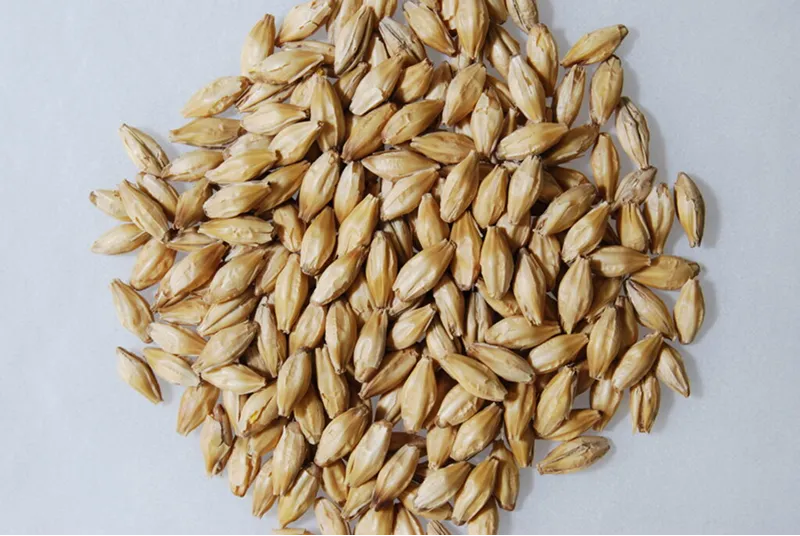
Due to climate change, the environment surrounding barley cultivation is becoming increasingly harsh, with issues such as sprouting in the field before harvest and quality deterioration caused by high temperatures. In response to these challenges, we are developing varieties that are resilient to environmental changes and possess excellent brewing characteristics. A prime example of this effort is “Dual-S Barley.”We are continuing our research on this next-generation beer barley variety, which combines the ability to maintain beer’s flavor over time (Stability) with climate change adaptation (Sustainability).
Breeding is a long-term challenge aimed at supporting the future of beer production. While results are not immediate, by continuously refining our techniques over time, we can deliver the same great taste to future generations. This philosophy is a fundamental principle underlying Sapporo Breweries’ raw material development. We will continue to pass on the deliciousness of beer to the future through barley breeding and development.