Hop Breeding and Development
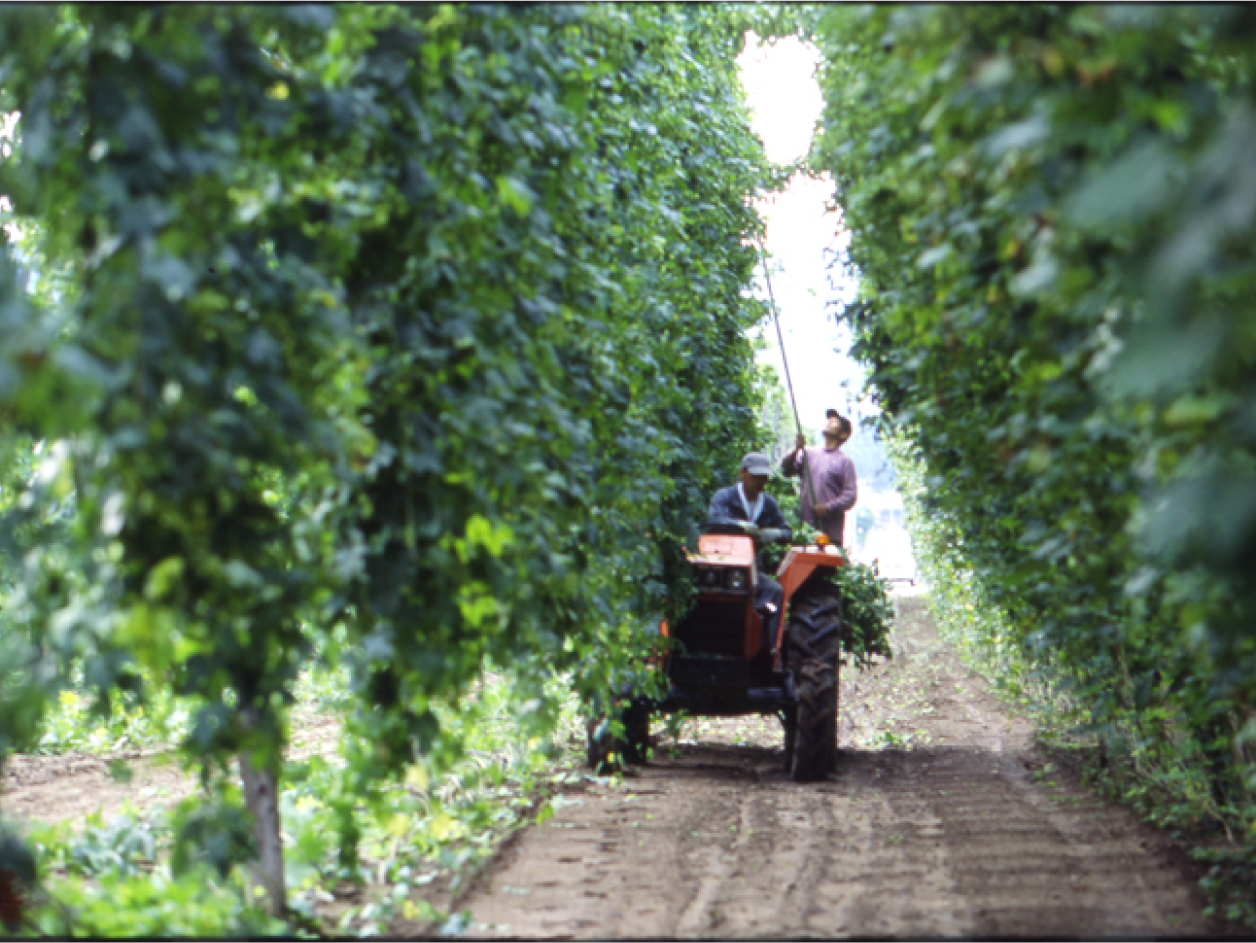
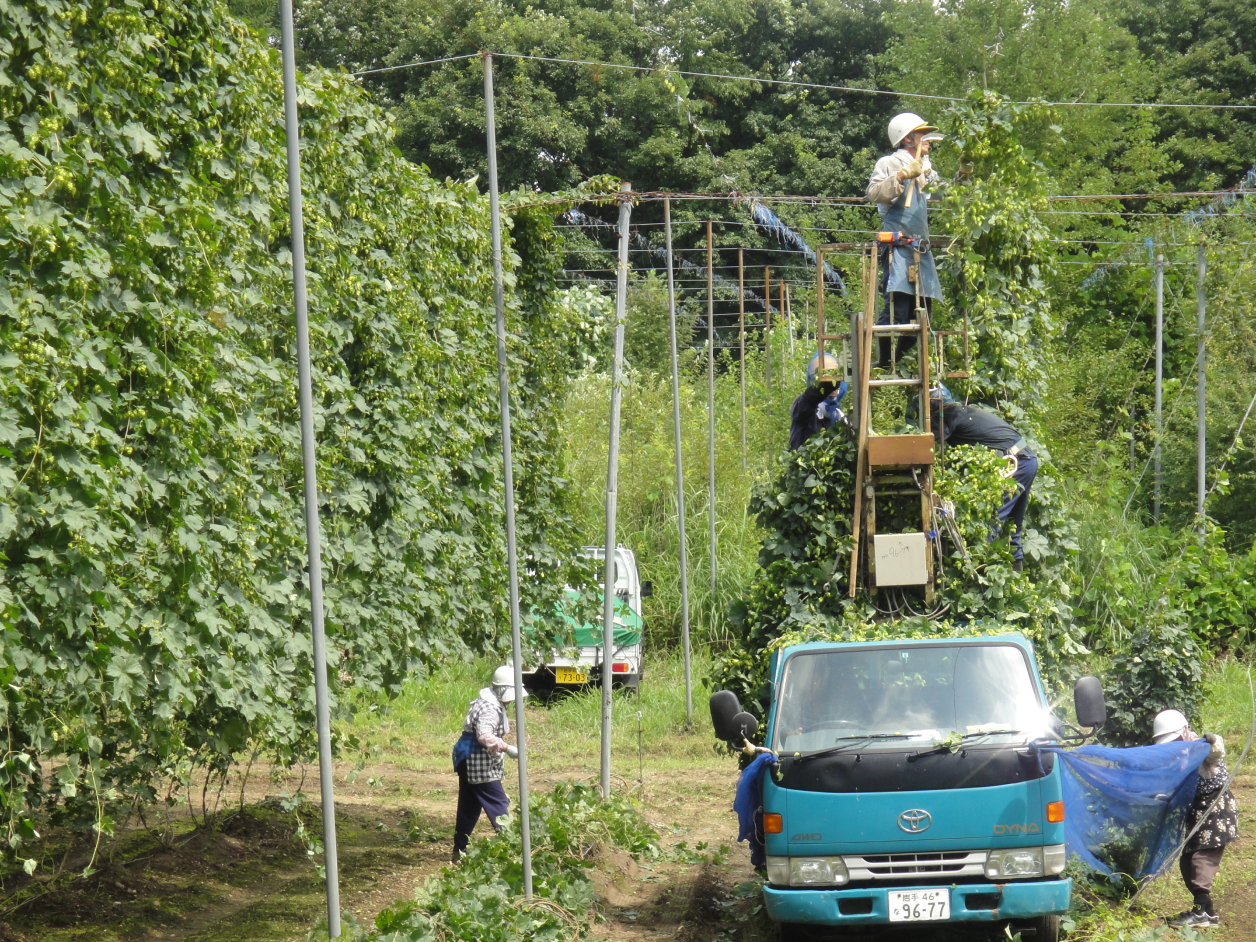
The history of hop research began in 1871 when Thomas Anticell, an engineer with the Hokkaido Development Commission, discovered wild hops in Hokkaido.With the founding of the Hokkaido Development Commission Brewery in 1876, full-scale hop cultivation began, and through trial and error, we pursued the potential for domestic hop production. By 1881, we had succeeded in achieving self-sufficiency by sourcing all the hops we used from within Hokkaido, thereby establishing a solid foundation for domestic hop production. This commitment to raw materials, which has continued since our founding, underpins the taste of today’s Sapporo Breweries.
A History of Breeding and Research Built Alongside Domestic Hops
We have been engaged in hop “breeding” since our founding, and one of our most notable achievements is the “Shinsyu-Wase” variety, developed in 1910. This variety is still cultivated today, more than 100 years after its creation, and is recognized as a superior variety that continues to support Japan’s beer culture. Although hops are susceptible to disease and difficult to cultivate, the research expertise we have cultivated over many years is utilized to provide cultivation guidance to growers, leading to improved quality and stable procurement.
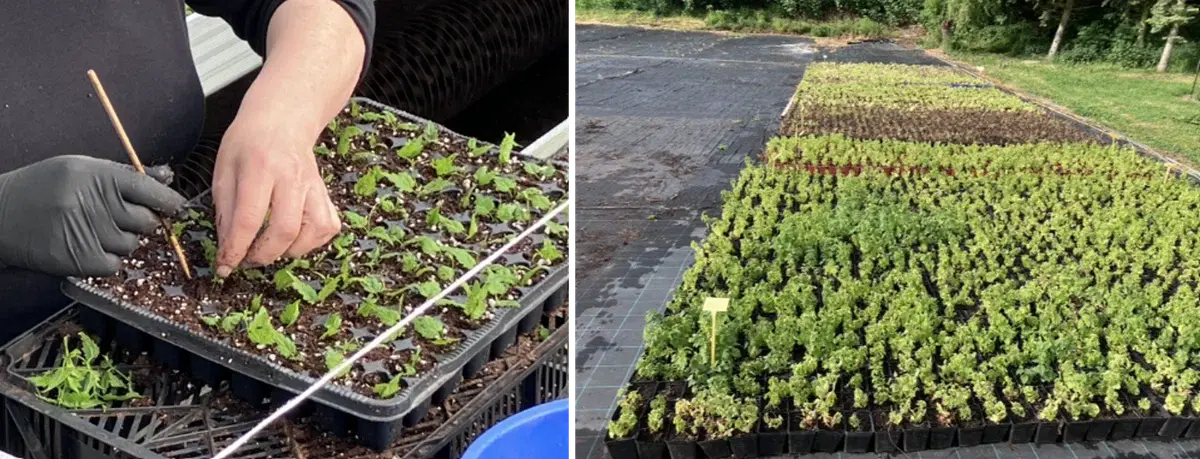
This breeding technology contributes not only to Japan but also to the global hop industry. Since the 1970s, Sapporo Breweries’ tissue culture technology has played a significant role in addressing the decline in quality of Czech Saaz hops caused by viral damage. In 1989, we successfully produced virus-free plants, enabling Saaz hops to regain their original quality. This is one example of how Sapporo Breweries’ hop research has gained worldwide recognition.
Diverse Domestic Hops That Have Expanded Aroma and Quality
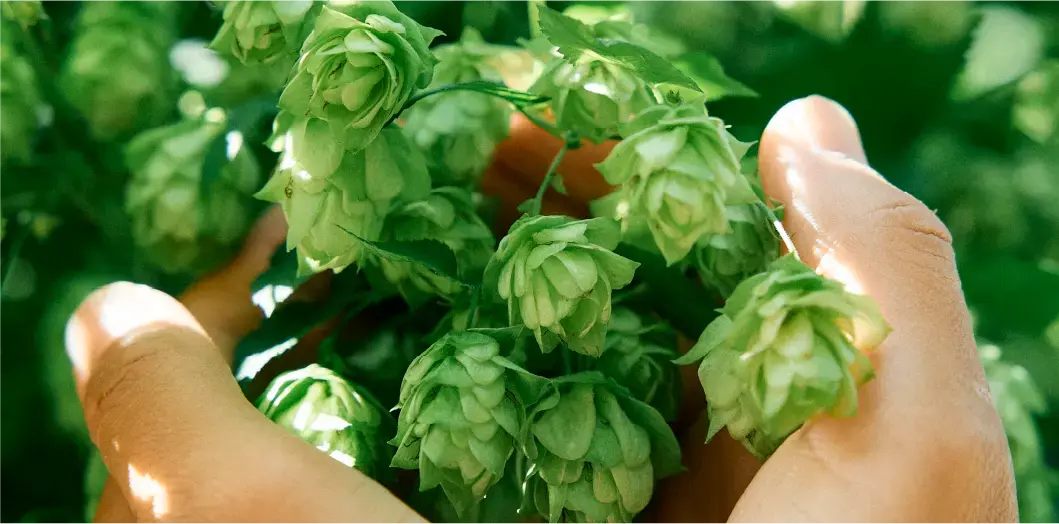
While hop breeding typically takes over 10 years, Sapporo Breweries has developed numerous attractive varieties. A prime example is “Furano Special,” which was successfully bred in just seven years. This variety has high bitterness and excellent flavor, and is used as a key ingredient to create the distinctive aroma of the Hokkaido-exclusive “Sapporo Classic Furano VINTAGE.” We have developed a diverse range of hop varieties, including “Shinsyu-Wase,” which has been cultivated for over 100 years; “Sorachi Ace,” which features aromas reminiscent of lemongrass and cypress and is also grown in the United States; “Little Star,” an aromatic variety that is easy to cultivate and offers excellent flavor; and “Furano Magical,” a new variety registered in 2021 with a tropical aroma. These varieties support the diversity of beer’s aroma and taste.
Research and Challenges Leading to the Future of Beer Brewing
Hops are the core ingredient that defines a beer’s aroma, bitterness, and flavor, and their quality and character significantly influence the final product. Building on the breeding and cultivation techniques we have cultivated over the years, we continue to take on the challenge of developing hops with new aromas and characteristics, as well as traits that can adapt to climate change. To enhance the value of domestic hops and unlock the potential of beer, our hop R&D will continue to evolve.