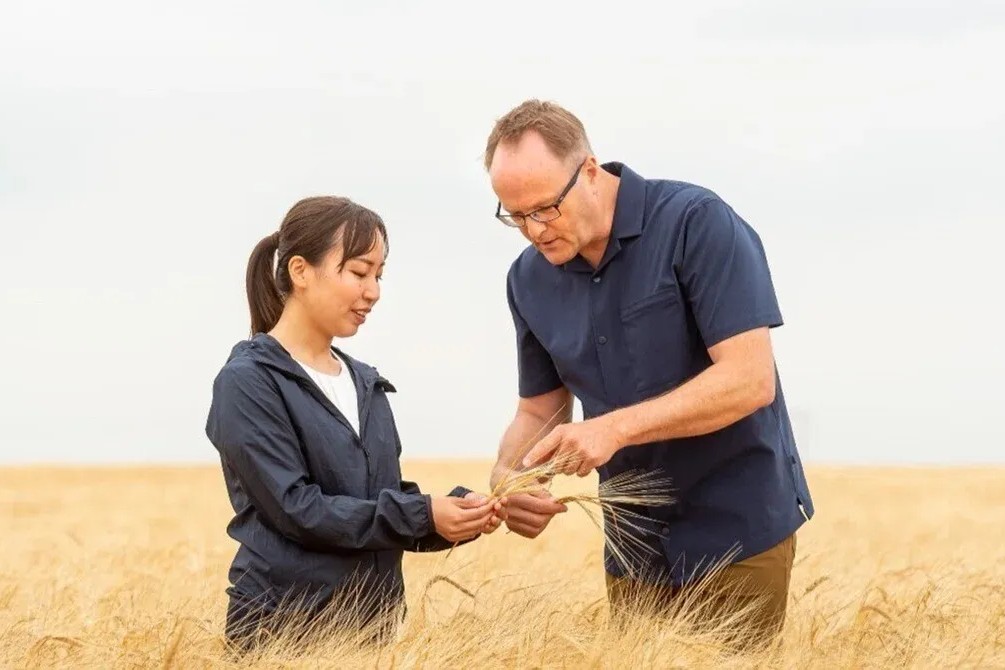
Since its founding, Sapporo Breweries has focused on research and breeding of raw materials for beer, and has released many of its own barley and hop varieties to markets around the world. Currently, Sapporo Breweries is also focusing on developing raw materials that are resilient to climate change.
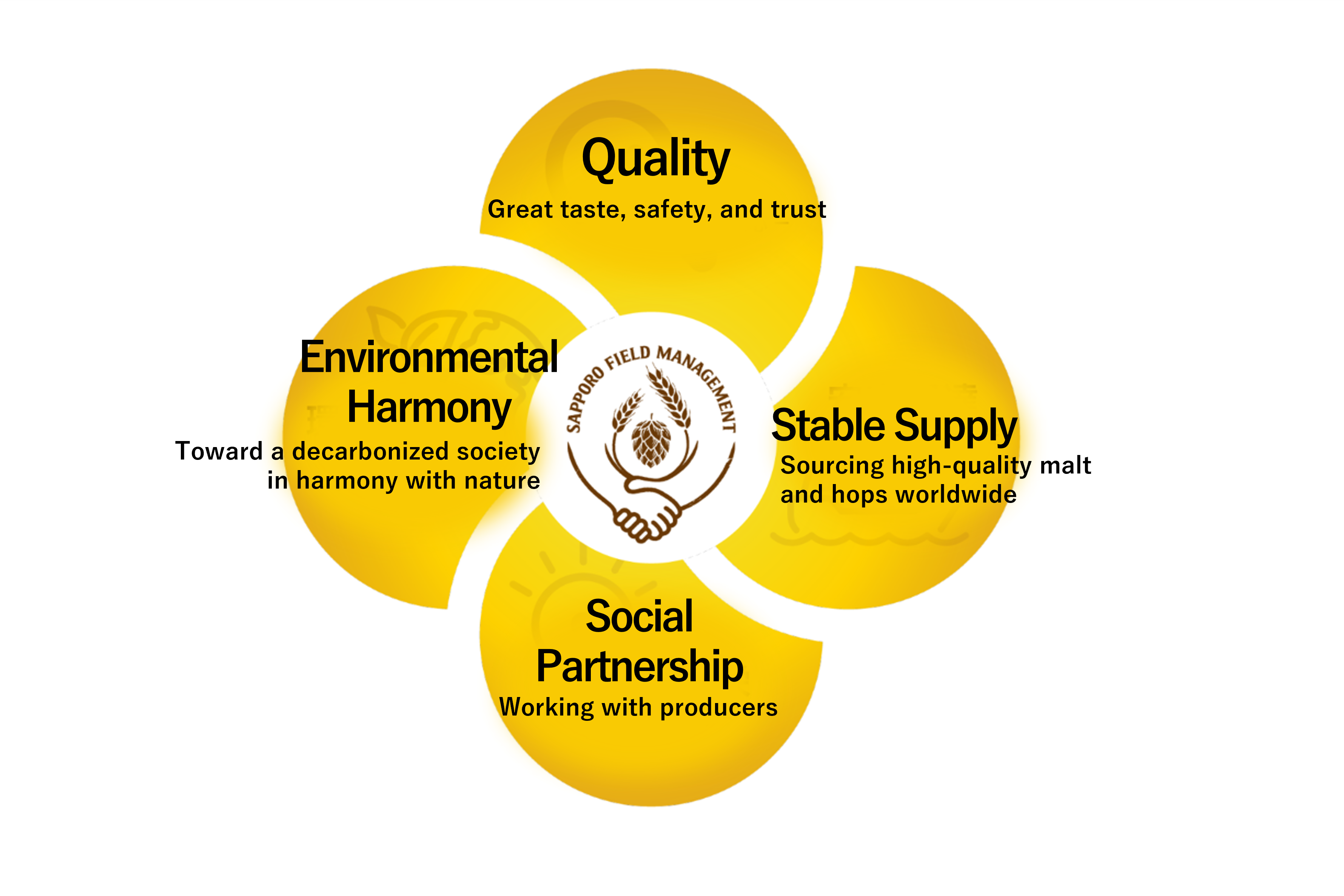
Unlike other beer companies, Sapporo Breweries' raw material initiatives include comprehensive malt and hop procurement activities called "field management," guided by four goals: quality, stable procurement, harmony with the environment, and co-existence with society (collaboration with producers). Field management is carried out by malt and hop professionals called "field managers," who have expertise in breeding, cultivation, and processing. Currently, nine field managers are working across Japan and overseas, covering both barley in Kanto, Hokkaido, North America, Australia, and Europe, and hops in Tohoku, Hokkaido, North America, and Europe. They visit producers in their respective areas to exchange information and provide advice on a wide range of topics, from field-related challenges to climate change measures, and work together to create high-quality raw materials.
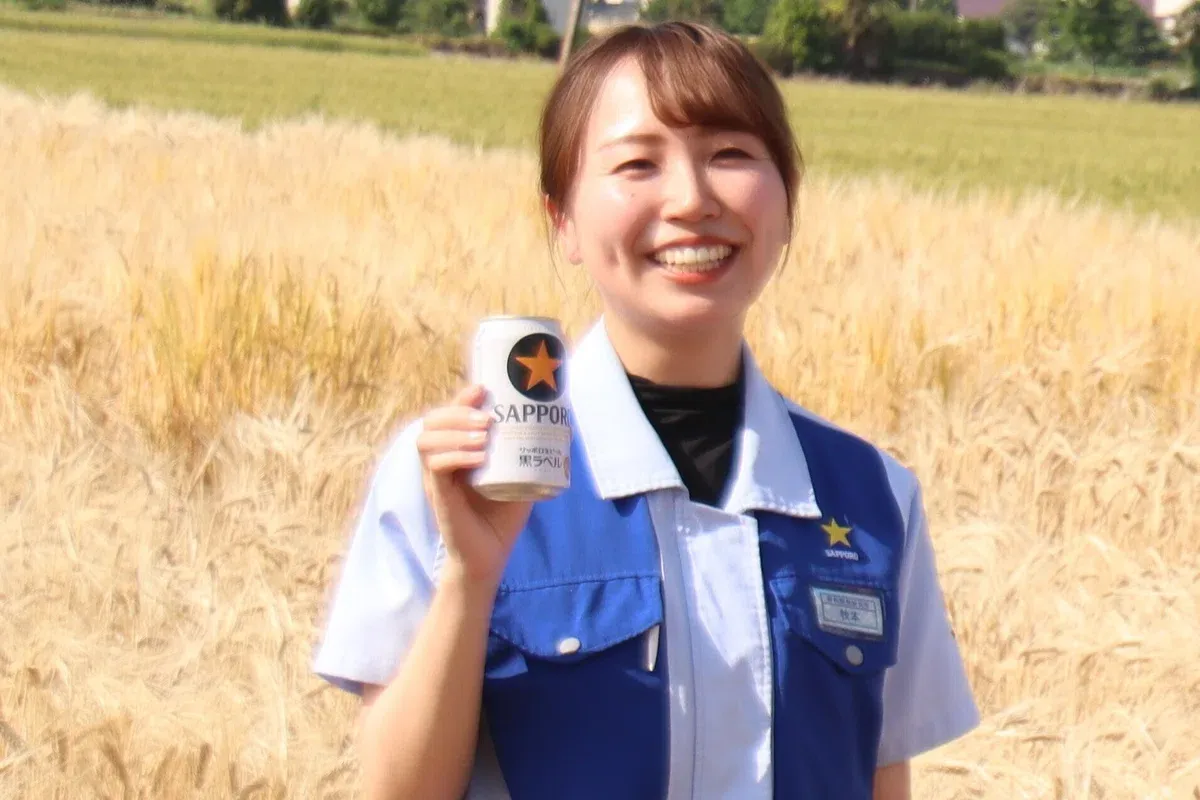
ーーーーI understand that you are the youngest field manager and the first woman in this role. Have you been interested in working with raw materials and agricultural products since your student days?
I graduated from the Faculty of Agriculture, where I studied persimmons in the Fruit Tree Horticulture Laboratory from my undergraduate senior year through graduate school. When I started job hunting, I initially considered becoming a national public servant because I wanted to be involved with many people and contribute to the development of Japanese industry and local communities. However, as I progressed in my job search, I began to think that I would prefer to work for a private company where I could directly contribute to Japanese industry. Since I enjoy food and drink, I focused on food manufacturers where I could also apply my research experience. I decided to join Sapporo Breweries because I found Sapporo Draft Beer Black Label to be the most delicious beer and felt that the company’s commitment to quality—through its focus on raw materials—would suit me well.
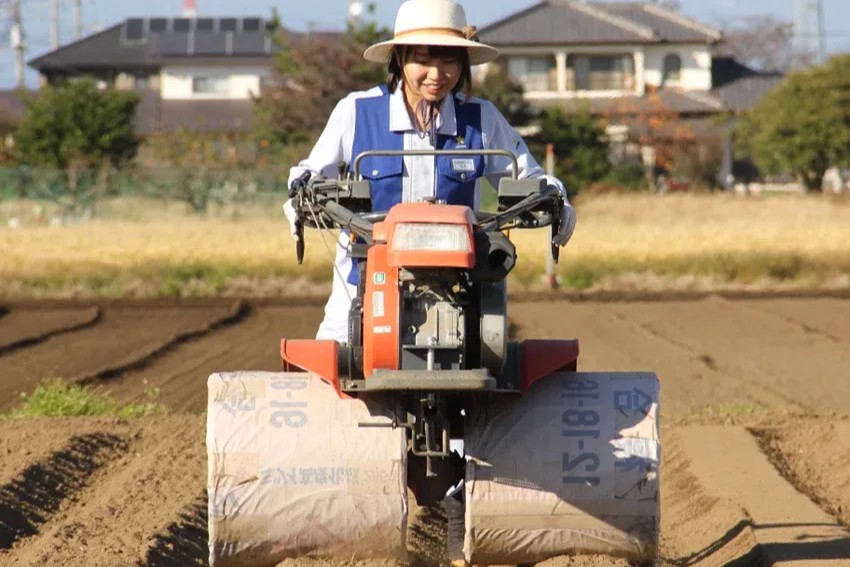
ーーーーHow did you feel when you were first appointed as a field manager?
I had always said since my interview that I wanted to become a field manager, so I felt that one of my dreams had come true. As the first female field manager, I also felt a strong sense of responsibility to serve as a role model for junior colleagues aspiring to the same position.
I have two main roles in Canada: breeding (variety development) and field management. I travel to Canada for about a month each summer and for about a week each winter.
In breeding, I collaborate with the professor and field staff at the University of Saskatchewan analyzing and discussing data from research on varieties and evaluating barley growth in several test plots.
As a field manager, my responsibilities include visiting fields with producers and exchanging views on the quality of barley required as part of efforts to ensure stable procurement. I also work with malting companies and producers to develop new varieties of "LOX-less barley" and "climate-resilient barley" for local cultivation. We are conducting various trials while communicating closely with local stakeholders on a daily basis to explore how these varieties can be grown successfully in Canada.
Going forward, I want to continue focusing on developing new varieties by crossing superior barley lines to create entirely new types of barley. If we can use breeding to develop barley varieties that combine all these qualities—such as longer-lasting flavor, resistance to rain, and reduced energy consumption during malting—we can contribute to sustainability in the beer industry. I hope to promote these varieties throughout Canada and bring them to markets worldwide.

ーーーーWhat were some of the challenges you faced when working in Canada?
Shortly after I took on the role, we started developing a new variety of "climate-resilient barley" in Canada, in addition to "LOX-less barley". In this process, I had to conduct analyses and evaluation locally, where there had been no precedent. It was challenging to explain everything from scratch to the local staff and help them to understand the purpose and details of the work. However, by repeatedly and carefully explaining the issues this research aims to address and the evaluation criteria, I was able to gain their understanding, and the research is now progressing very smoothly.
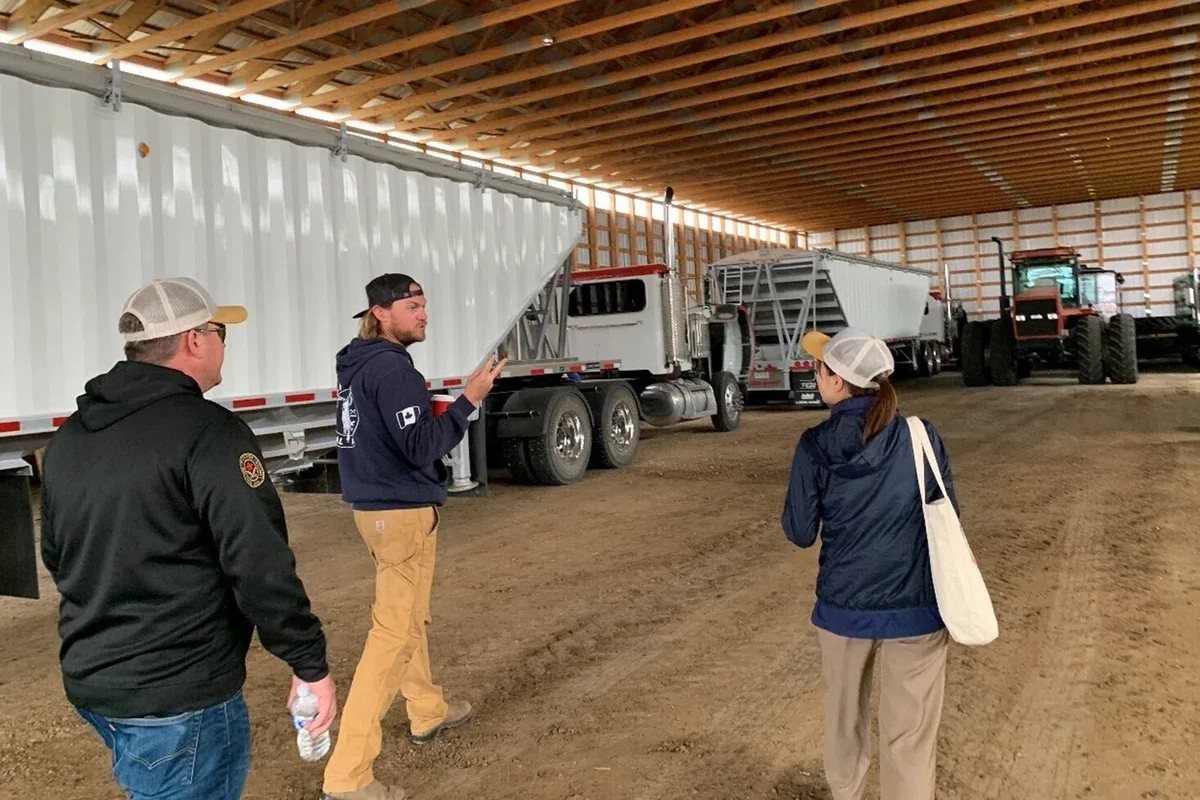
There are certainly many challenges in my day-to-day work, but this has long been my dream, and I feel fortunate to be surrounded by such supportive colleagues both in Japan and Canada. I truly enjoy what I do, I am constantly reminded that I am able to carry out my work thanks to the support of so many people.
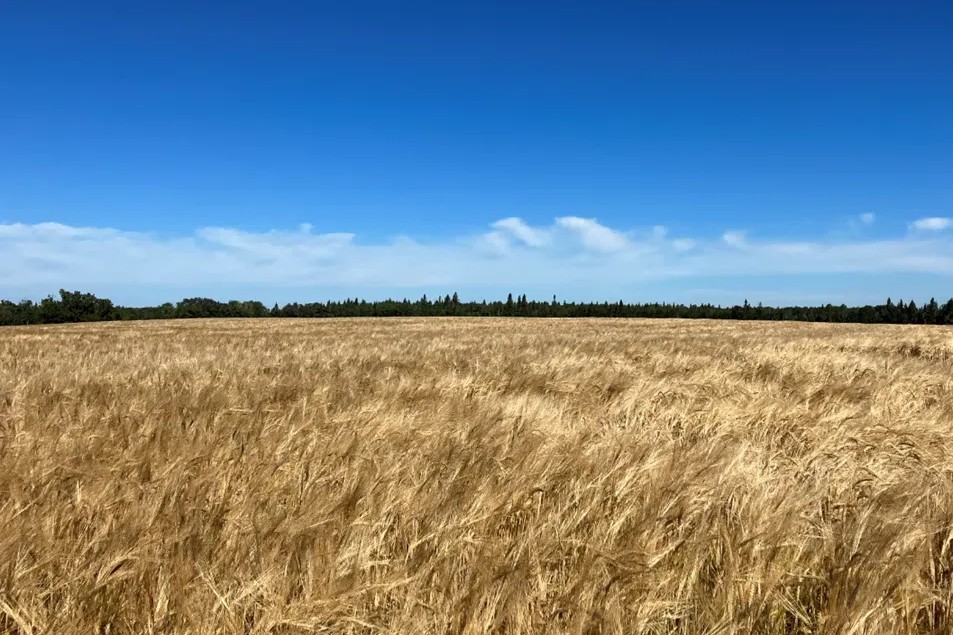
When I take a moment during work to look out over the vast barley fields in Canada, I am moved by the thought that all the barley here will eventually become beer. It makes me want to share this with as many people as possible—"Everything you see here will become beer!”
ーーーーYou have a very positive and proactive attitude, what are your aspirations for the future?
I feel a special connection, as 1994—the year Sapporo Breweries began barley breeding in Canada—is also the year I was born. I am the sixth person to take on this role in Canadian barley breeding, and because I have been able to conduct my work using the systems and resources built by my predecessors over many years, I feel it is my responsibility to carry these achievements forward to the next generation.
In particular, I am determined to see the development of new varieties of "LOX-less barley" and "climate-resilient barley," through to completion. In the future, I hope to deepen my expertise in raw materials, including hops, and grow into a field manager who can bring even greater depth to my work.
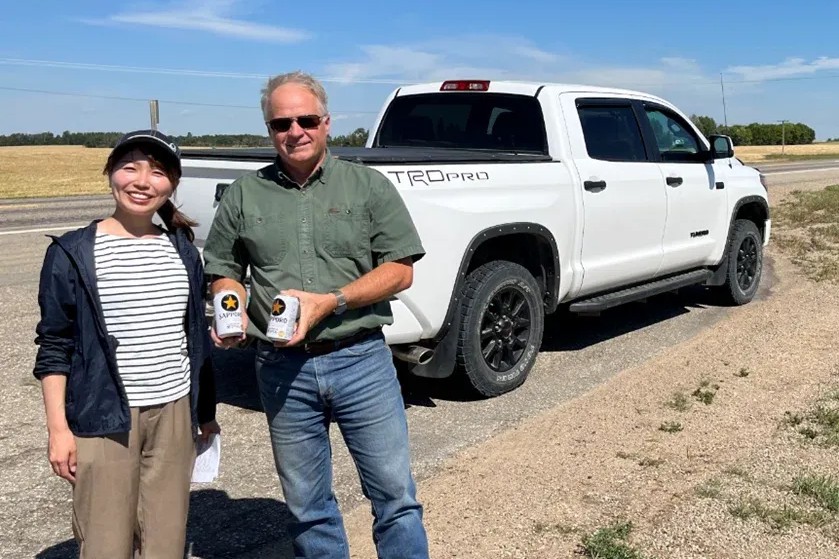
What did you think of the interview? This time, we spoke with a young researcher who is also the first female field manager at Sapporo Breweries. Listening to Ms. Makimoto's story, I was impressed by her strong determination to pursue her dreams while remaining grateful to those around her. At the same time, I felt reassured that the quality of delicious beer will continue to be upheld through the dedication and efforts of each and every researcher and field manager. I was also impressed by how field managers regularly visit producers to understand local conditions. Through these initiatives, I felt that respect for human rights at production sites and sustainable procurement are truly being put into practice. We hope you will continue to look forward to a bright future of Sapporo Breweries!
LATEST STORIES