rise due to reduced yields of raw materials caused by climate change. Since its founding in 1876, Sapporo Breweries has been committed to using only the finest ingredients in its beer production.To safeguard the future of beer, as part of its raw material research, the company officially announced in the spring of 2022 the discovery of a barley variety capable of withstanding climate change.
We spoke with Mr. Kihara of the Sapporo Beer Raw Material Development Research Institute, who has been consistently engaged in barley research for over 30 years since joining the company, about the development of barley varieties that can withstand climate change to protect the future of beer.
――I understand that you’ve been involved in raw material research ever since you joined the company. Could you tell us a bit about your background?
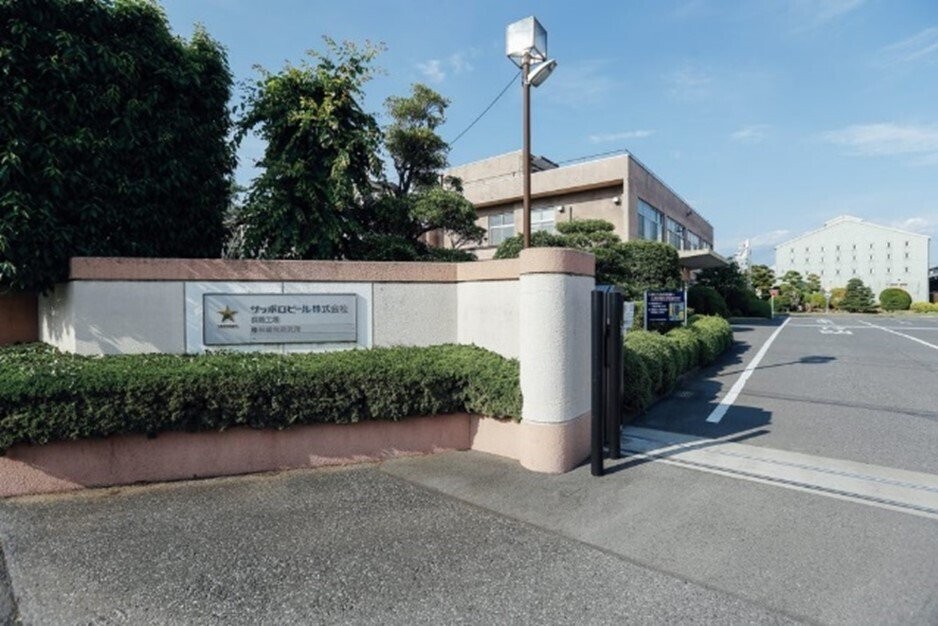
Kihara: I’m originally from Kyushu, but since joining Sapporo Breweries in 1990, I’ve spent the past 33 years conducting barley research and variety development at the research institute in Ota, Gunma Prefecture. I was in Gunma for over 30 years, and having fields, the research institute (laboratory), and a malting plant all on the same grounds meant I never got bored working at such a vital hub for raw material research—it was truly enjoyable.Now, I’m conducting similar research at a research institute in Kamifurano, Hokkaido, surrounded by barley and hops. Specifically, I’m engaged in “breeding,” which involves crossing raw materials with desirable traits to create even better ones.
――You’re a barley expert. What led you to develop barley varieties adapted to climate change?
Kihara: Around 2010, there was an internal research institute project called the “Group for Considering Breeding 10 Years from Now.” In that group, we discussed the possibility that fertilizer use might be restricted in the near future due to environmental concerns. At the time, we believed that even if growing conditions changed, we still wanted many customers to be able to enjoy delicious, high-quality beer 10 years from then. To achieve that, we felt we needed barley that not only higher yield harvests and maintained quality but could also adapt to climate changes.
――What’s the problem with regulating fertilizers!?
Kihara: There are two major problems if fertilizer is restricted.
First, a drop in crop yields will reduce producers’ income, and for breweries, it will lead to a serious problem where we can no longer secure the necessary amount of barley we need, causing costs to rise.In 2018, a paper was published in the global scientific journal *Nature Plants* stating that a decline in raw material yields would lead to a sharp drop in beer supply and a significant surge in prices, with the possibility of a price increase of $3.50 per 500ml can even in Japan.
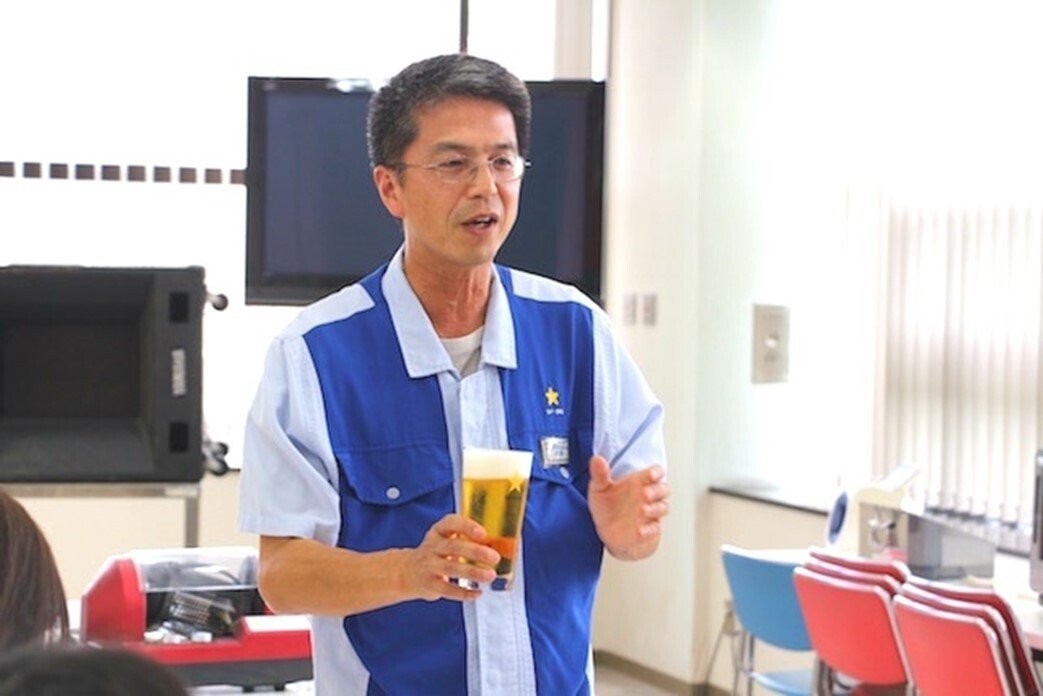
Kihara: The second issue is that the quality of the barley itself will deteriorate, which will ultimately lead to a decline in the quality of the beer produced. This gets
a bit technical, but to make beer, we have to process the barley into a raw material called malt.During this processing, the protein in the grain is degraded into amino acids(modification), which play a crucial role in the subsequent beer fermentation process.
However, fertilizer restrictions reduce the amount of protein in the grain, which in turn reduces the amount of amino acids. This can lead to poor modification and other issues that degrade beer quality. That’s
why we’ve decided to focus on “breeding” to develop barley varieties with high decomposition efficiency—ones that can produce more amino acids even when the protein content is reduced due to fertilizer restrictions.
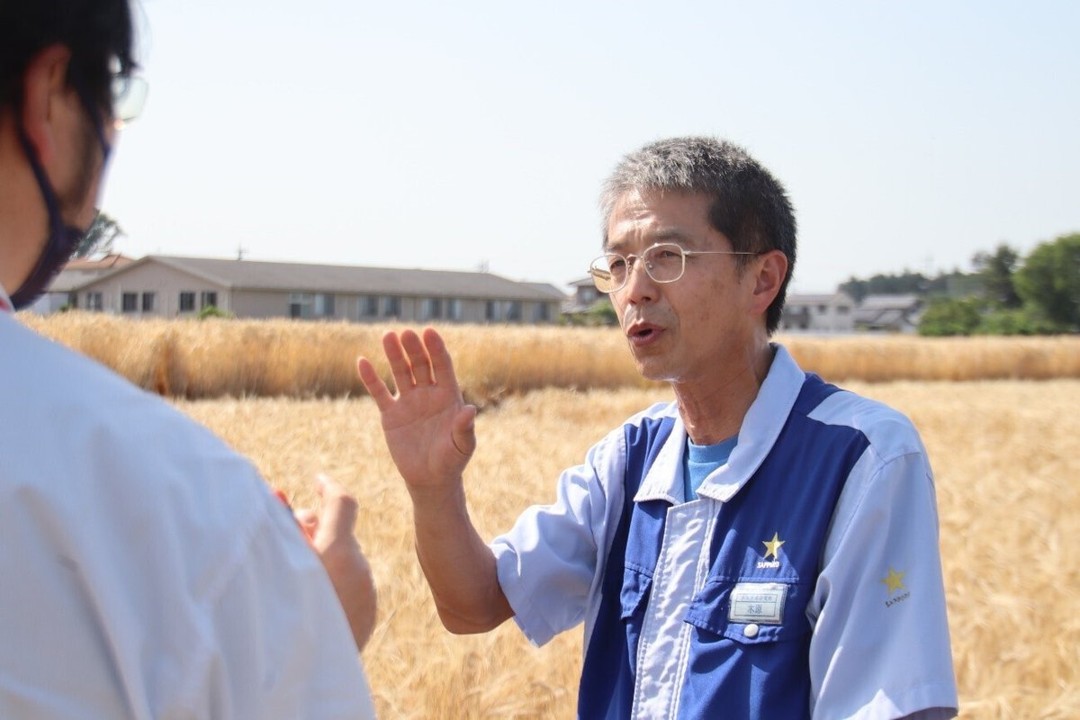
――So you were trying to develop a type of barley that could efficiently produce a large amount of amino acids from a small amount of protein.
Kihara: That’s right. While there have been North American barley varieties with good modification efficiency, they carried the risk of pre-harvest sprouting(PHS) in the field if there was prolonged rain before harvest. Normally, barley is germinated at a factory to produce malt, but if PHS occurs, it can no longer be used for beer production.
Furthermore, it leaves farmers with no choice but to sell it as low-value feed, which is a major blow to their income. Recently
, due to the effects of climate change, extreme weather events have become more frequent; in Japan, for example, Tochigi Prefecture suffered 2.3 billion yen in damages in 2014.
, even if we continued our research, such barley might not even exist. Day in and day out, we spent our time in the lab analyzing various barley. It was
about two years after the project began when we finally made a breakthrough.
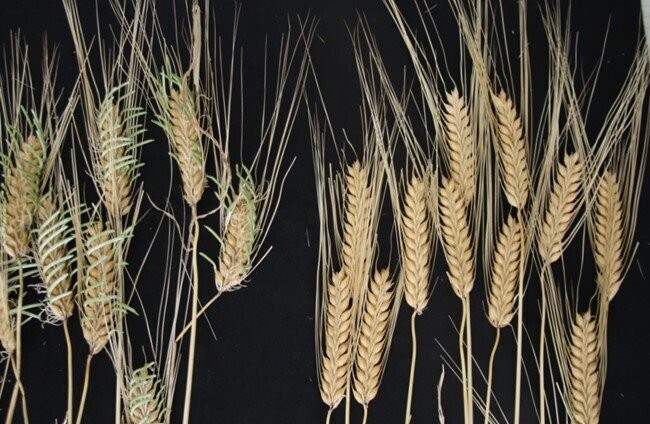
Fortunately, after studying over 600 varieties of barley, we finally found the one! We named it “N68-411.” The “411” refers to the 411th barley sample we analyzed.
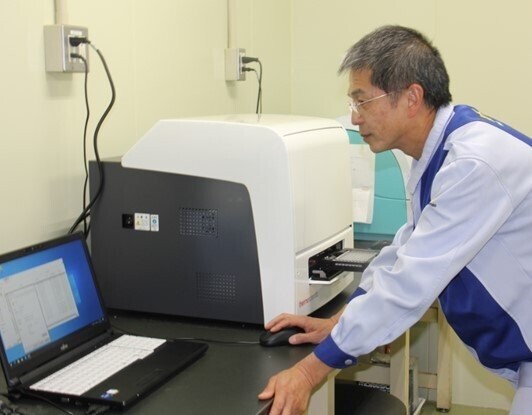
Kihara: Actually, it was far more difficult after “N68-411” was discovered. In
breeding, we need to verify whether the desired traits will be stably expressed in the offspring over multiple years, so we have to spend a long time testing them. When I first saw the data, it looked like an outlier, and I was always skeptical—wondering what I would do if the values returned to normal in the next generation—so it was really tough.
Also, since this barley had unprecedented traits, I struggled to explain it to colleagues who knew the raw materials inside and out and get them to understand. It took years of repeated verification after the initial discovery before we finally reached the 2022 announcement: “We have discovered a barley variety that successfully combines tolerance to increased rainfall (reduced sprouting in the ears) with beer flavor (high decomposition efficiency).”
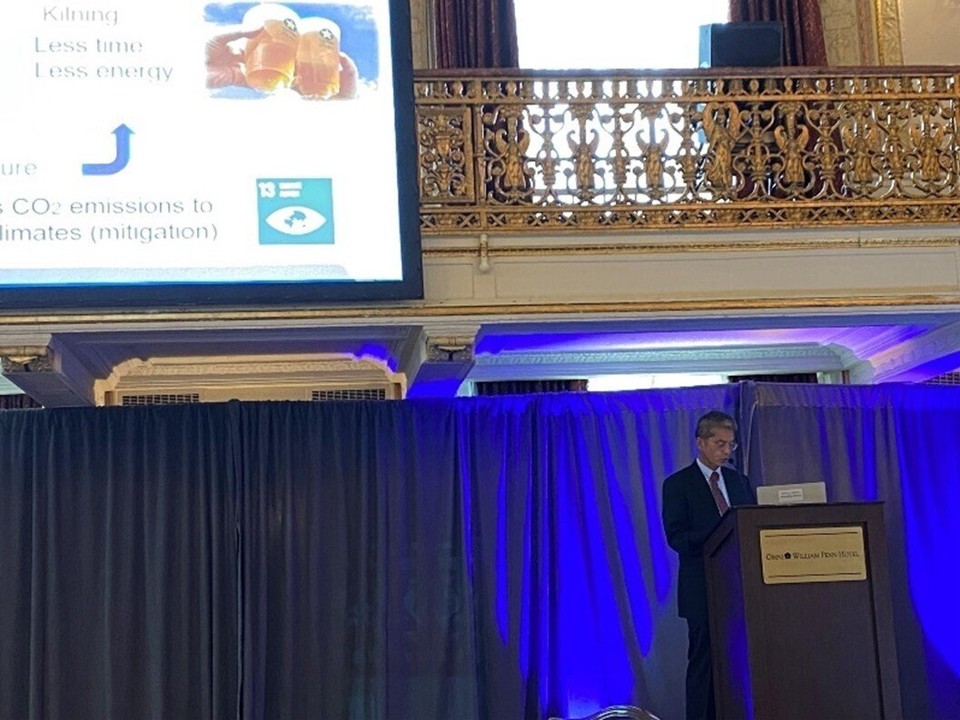
――So “N68-411” also has the potential to save energy and reduce CO₂ emissions during the malting process. It’s a barley packed with sustainability features—not only adaptation to climate change but also reducing the environmental impact of the malting process!
Kihara: That’s right. After we announced it in the U.S., we received requests from overseas breeding institutions asking to use “N68-411” barley for breeding research and as a parent line. I’m excited to think that, in the future, barley with these characteristics might be used in beer all over the world.
In order to deliver best beer to the future at a reasonable price, Sapporo Breweries aims to develop barley that can adapt to climate change by 2030, put them to practical use in Japan by 2035, and put them to practical use and overseas by 2050.
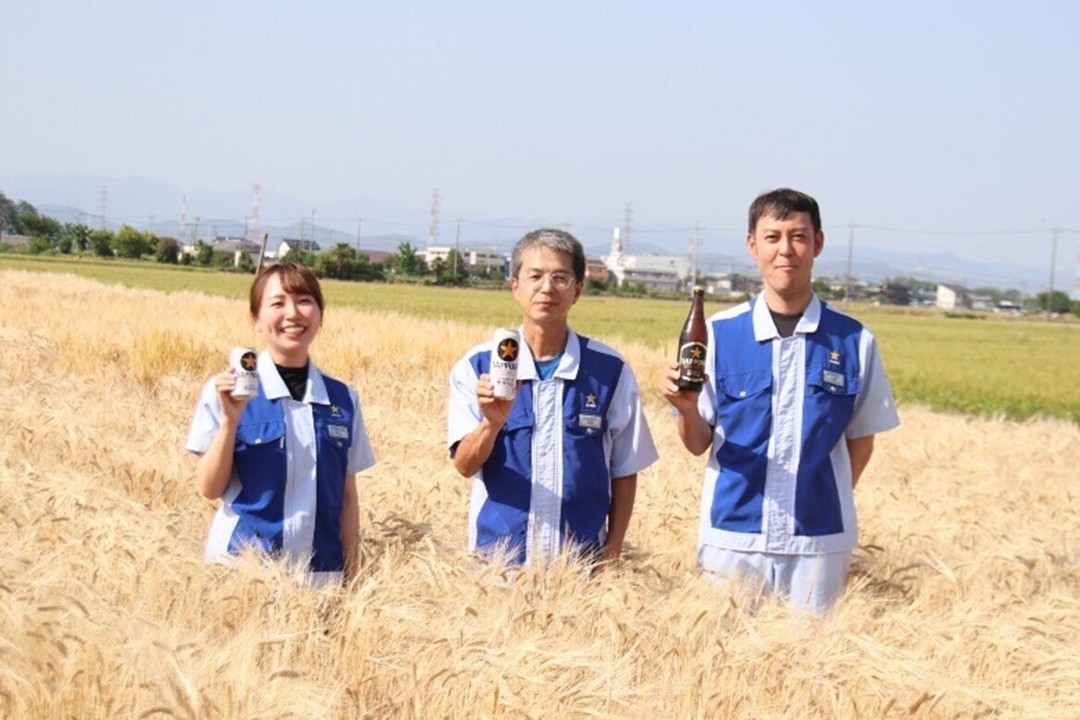
Next time you drink beer, think of the golden barley fields and savor it carefully.
LATEST STORIES